Include in the discussion
- The proposed gas pipe or appliance work
- Existing supply and connection information
- Access and the installation details to be assessed


Discuss gas pipework, appliance connections and alterations with the appropriate licensed professional.
Gas work is a specialist job, whether you are altering existing pipework, adding a connection or moving an appliance in your Brisbane property. It needs the right licence, a suitable scope and a clear understanding of how your installation is arranged, whether it runs on mains natural gas or LPG bottles. Careful planning supports a safe result.
Careful planning helps keep a project safe and avoids rework later. If you are considering gas pipework or appliance connections, tell us about the property and your plans, and we can help you discuss the work with the appropriate licensed professional. Clear plans help everyone.
Explore Brisbane Gas Fitting and find the right starting point for your property.
Gas work is regulated in Queensland, and it should only be carried out by a suitably licensed professional. An enquiry is most useful when it describes the actual installation, so the right person can be identified and the work can be described properly from the start.
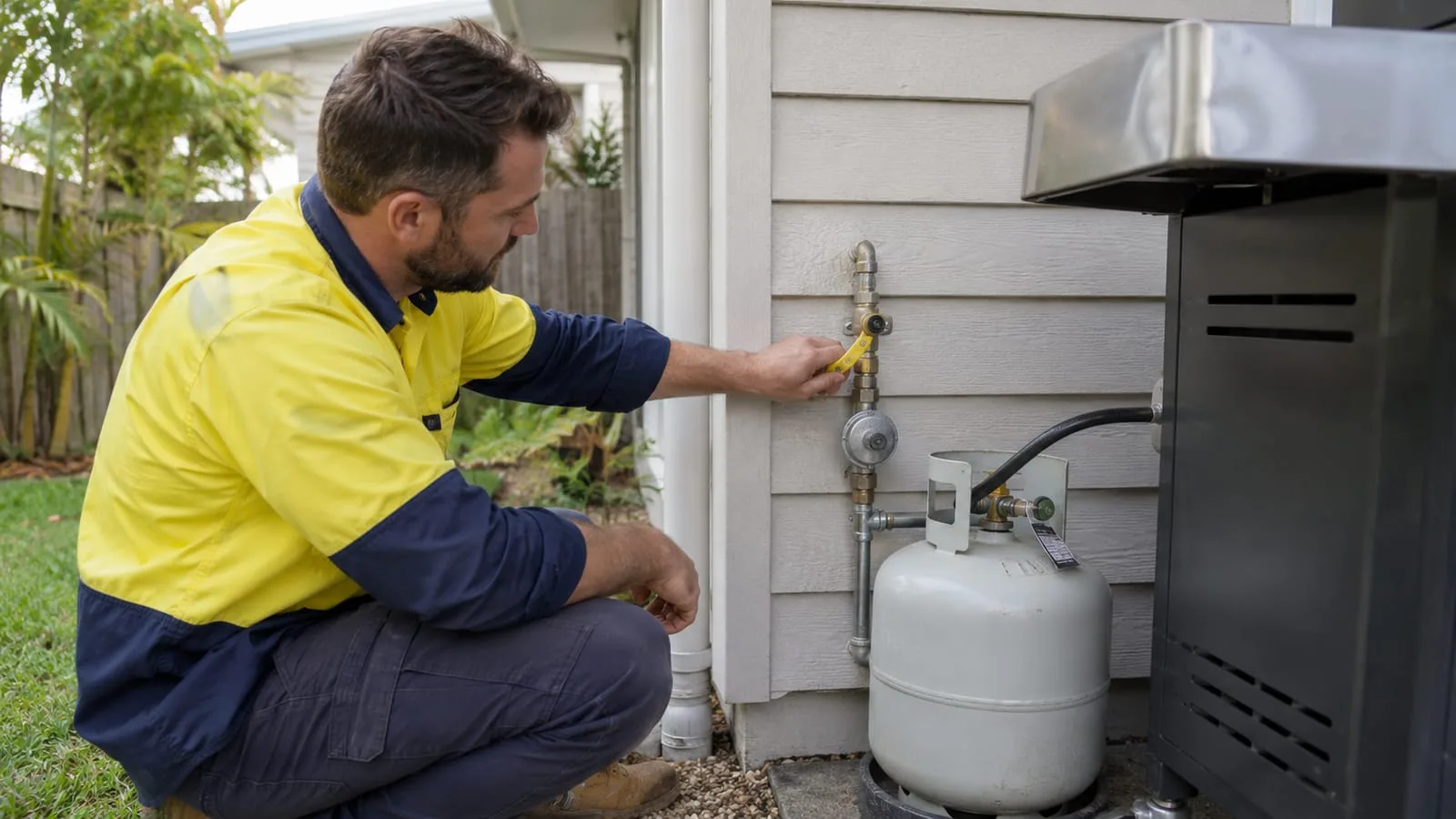
Gas work requires the correct licence and a scope suited to the installation. Provide appliance information, the proposed location and any available plans when asking about a project, so the assessment starts with the right details. Knowing the existing pipe layout also helps.
Do not attempt gas repairs yourself. If you suspect a gas leak, move away from the affected area and contact your gas supplier or distributor or an appropriately licensed emergency professional, and do not operate switches or naked flames while you are nearby. Following this advice keeps everyone safer while a proper assessment is arranged.
Gas connections should never be assessed, adjusted or altered by anyone other than a licensed professional. What you can do safely is gather information about the appliance and the space around it, which helps the right professional understand the job before any assessment takes place.
For a suspected gas leak, do not rely on an online project enquiry; seek appropriate direct assistance.
Describe the gas work you are considering, such as connecting a new cooktop, relocating an appliance or extending an existing pipe. Include the type of property, the fuel arrangement if you know it, and where in the building the work would take place.
Discuss a gas enquiryMost households could not say where gas can be turned off in an emergency. Locating each isolation point now, while nothing is wrong, makes any later fault, repair or appliance swap far calmer.
Gas usually has a main shut-off near the meter or bottle, plus a smaller valve at each appliance. Walk the property in daylight and find both. Check that handles are accessible, not buried behind garden beds, stored boxes or under-house clutter. Photograph each one and tell everyone in the home. Stiff or damaged valves are worth raising with a licensed gas fitter.
Look near the meter, the bottle cage or where the supply line enters the house, and confirm the handle can be reached.
Cooktops, ovens and heaters often have their own valve nearby, sometimes inside a cupboard or behind the unit.
Keep plants, bins and stored items away from valves so the handle can be turned quickly without tools.
A phone photo of each valve and a simple tag helps tenants, visitors and tradespeople act fast.
Swapping a cooktop or relocating a kitchen is the moment gas pipework gets decided. A little planning on position, ventilation and clearances avoids rework once cabinetry and benchtops are already installed.
| Supply point location | Decide the pipe position before benchtops go in so the connection sits behind or beside the appliance, not under a drawer. |
|---|---|
| Ventilation and rangehood | Gas cooking needs adequate airflow. Ask your fitter and cabinet maker how the rangehood and any window openings work together. |
| Mains or bottled gas | Some homes have mains gas, others use bottles. The appliance, regulator and pipework all need to match the supply type. |
| Appliance documents | Keep the installation manual and data plate details. They help with servicing and any future compliance questions. |
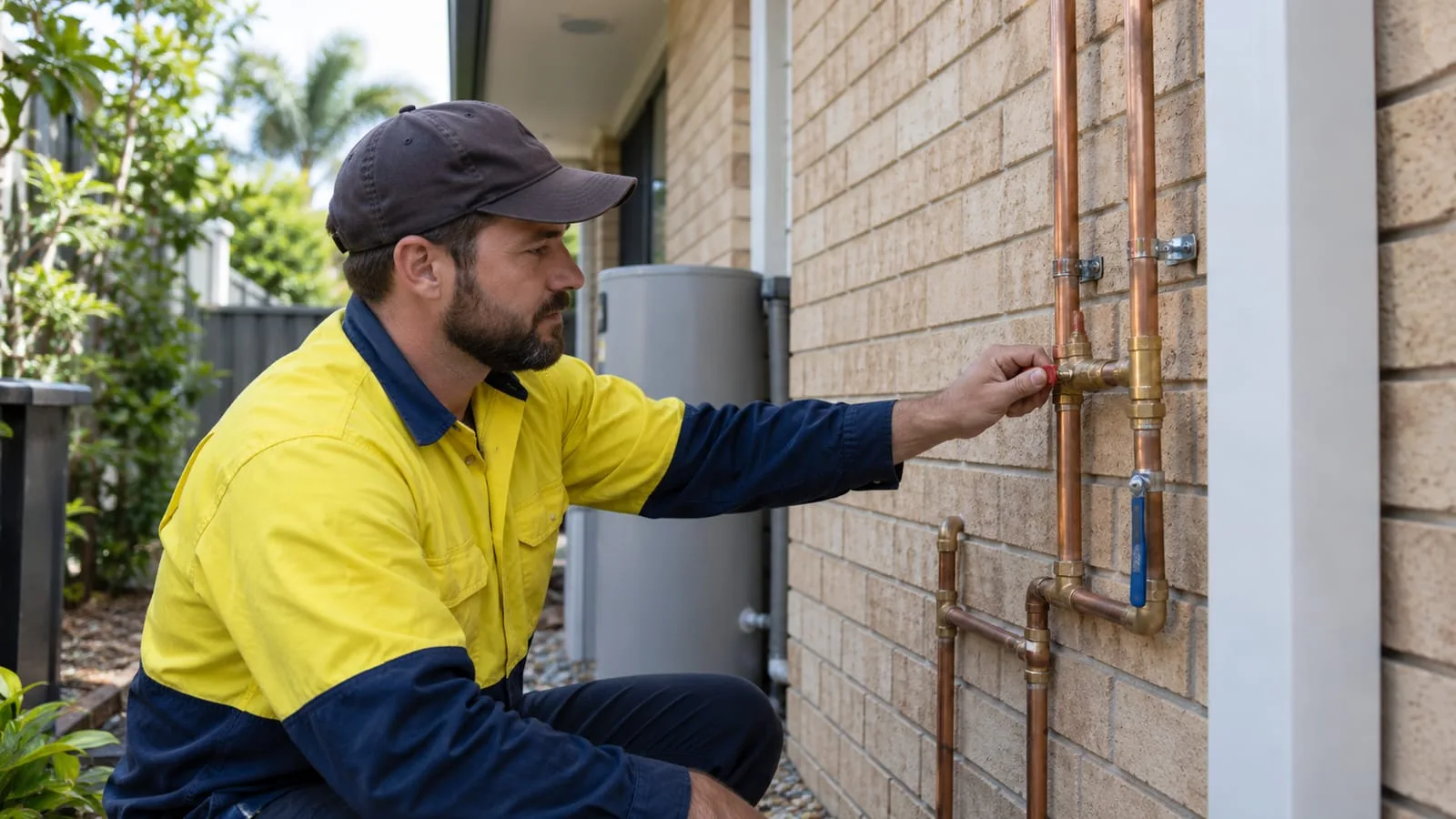
Gas hot water, wall heaters and cooktops all tie into renovation staging. Getting pipework positioned early, before walls are sheeted, stops costly tear-outs and keeps the other trades moving.
Gas rough-in generally happens while framing is open, then fit-off follows once finishes are done. If you plan to move a gas hot water unit or add an outdoor heater, show your fitter the plans early. Under-house access in a high-set home can make pipe routes simpler, while slab homes may need chasing or external runs. Confirm who coordinates testing before walls close.
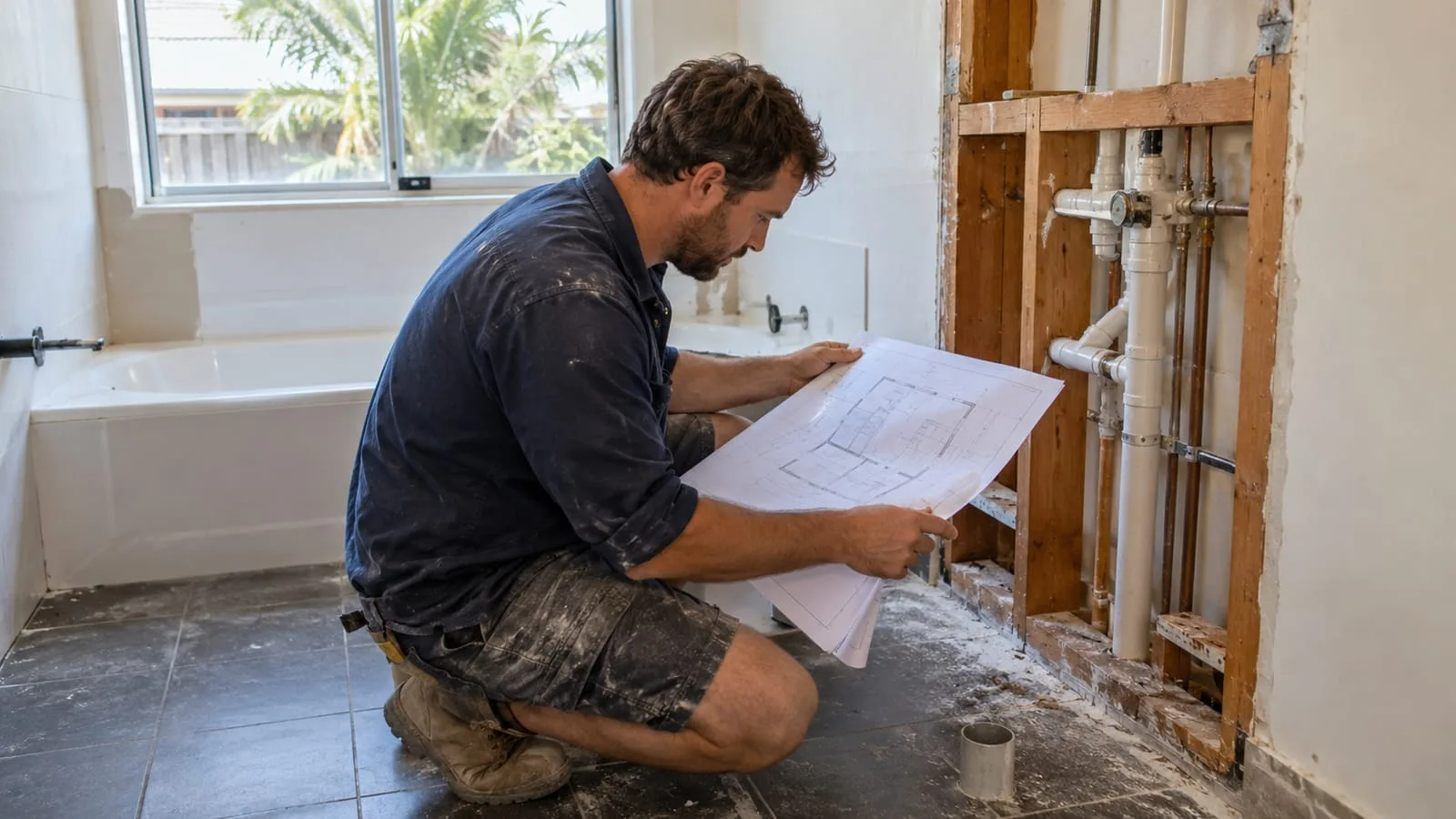
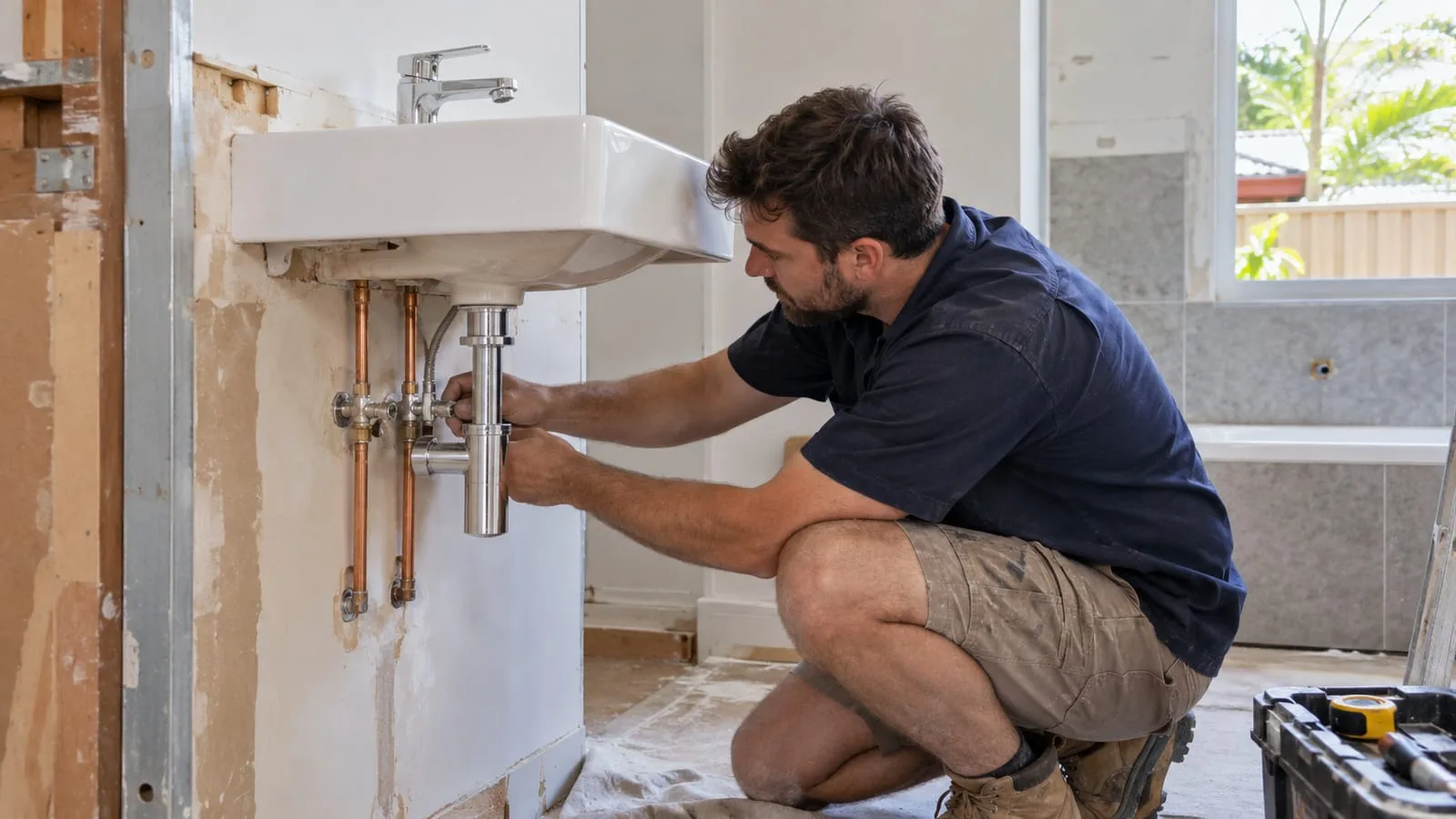

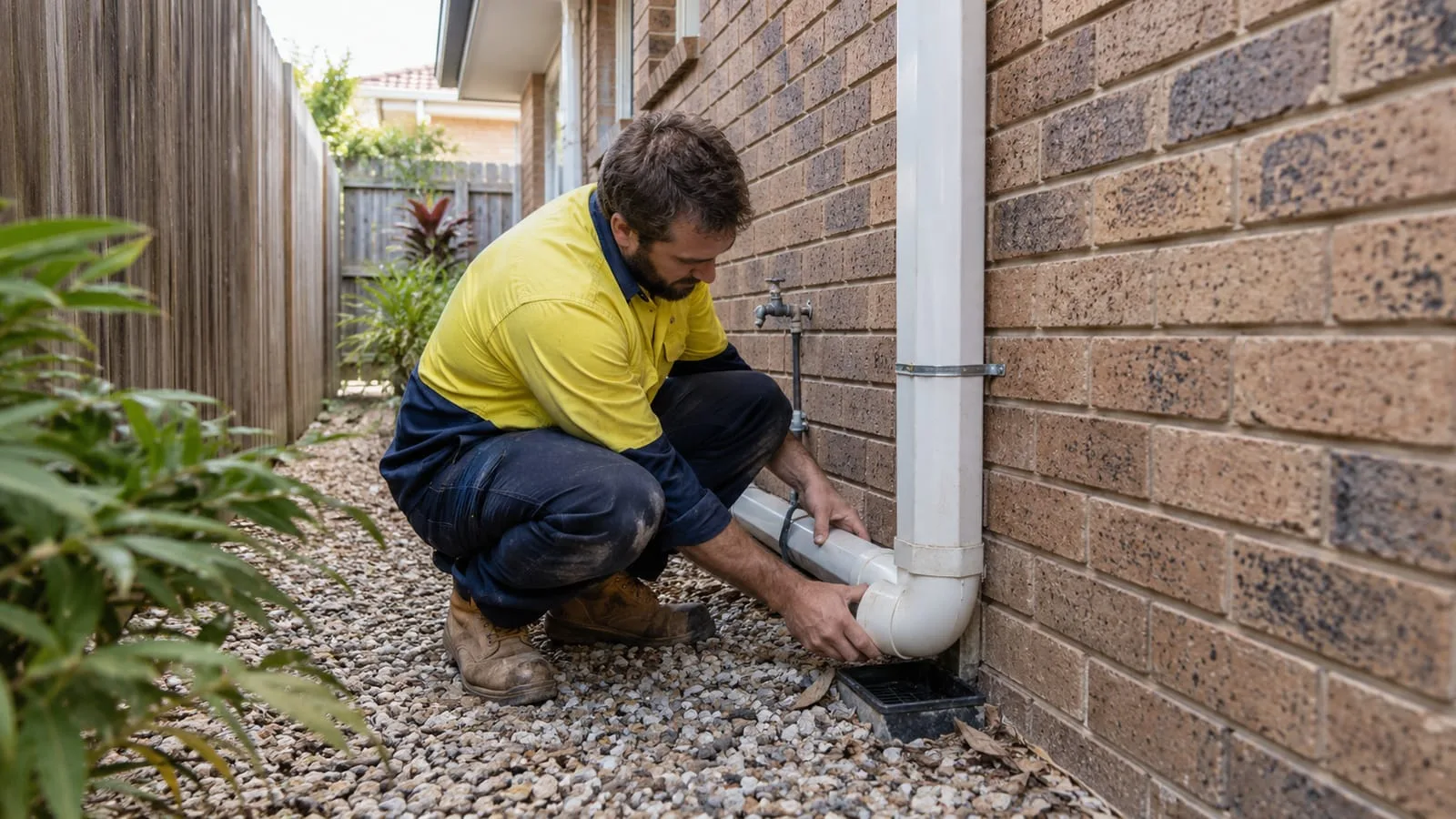
Safe gas fitting demands precision and proper qualifications. Our Brisbane gas fitters design, install and test gas lines for homes and businesses, delivering compliant, dependable systems that give you confidence.
Good gas fitting is planned around the appliances it feeds and the way the building is used. We size and route pipework for reliable supply, pressure test every line and provide certification, so your home or business runs on a gas system that is compliant, dependable and safe for the people who use it.