A repeated leak
Provide earlier repair details and the location of the affected pipework.


Discuss general plumbing, water supply repairs and renovation pipework for homes and business premises.
General plumbing covers a lot of ground, from repairing a leaking supply line to replacing ageing pipework or planning pipe routes for a renovation. For Brisbane homes, units and businesses, reliable pipework underpins everything from showers to kitchens and laundries. Reliable pipes are easy to take for granted.
Addressing the cause rather than only the visible fault saves repeat visits and disruption. Tell us what is happening with your plumbing, and we can help you work out a clear scope for the repairs or upgrades you need. Clear planning makes jobs simpler to quote and carry out.
Explore Brisbane Plumbing and Pipeworks and find the right starting point for your property.
Pipework enquiries often start with one visible problem, such as a leak or weak flow, and then turn out to involve a wider question about how the system is arranged. Describing both the fault and anything you are planning helps keep the discussion from focusing on a single symptom.
Provide earlier repair details and the location of the affected pipework.
Identify which outlets are affected and whether the change is recent.
Share the proposed fixture positions and the pipework being retained.
Alterations to pipework can touch more of a property than expected, because new sections connect into existing supply and waste lines of varying age and condition. Being clear about what stays, what changes and what is only being looked at makes the enquiry far easier to discuss.
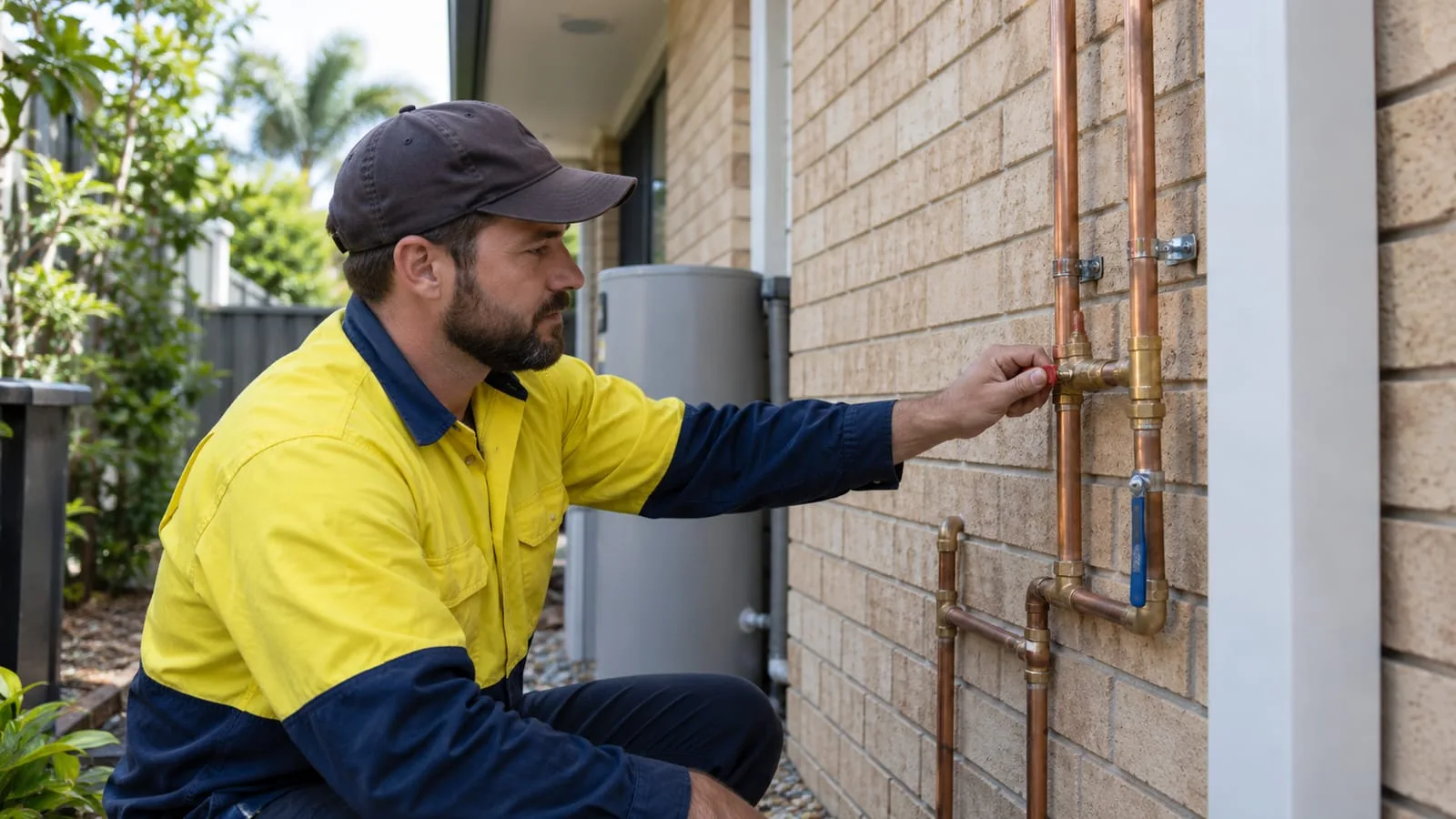
Ageing pipework, including older galvanised or copper lines in established homes, can cause repeat leaks, reduced flow and unexpected disruption. A repair assessment should consider both the visible fault and the condition of the surrounding installation, not only the section that failed first. Considering these points early reduces the risk of repeat call-outs.
For renovation work, coordinate pipe routes before walls and surfaces are closed. Clear plans help define fixture positions, shut-off access and the boundary between new and retained pipework, which keeps later adjustments simpler and less expensive to make. Taking the time to plan carefully before the work starts keeps the project simpler for everyone.
It may address the immediate fault, but the surrounding condition should be considered. Ask what was observed and what remains uncertain.
Discuss it before fixture positions and closed-in finishes are committed. Existing routes and access can affect what is practical.
Identify the fixture, describe when the issue occurs and mention previous work. Clear photographs can help explain the layout.
Share the model and specifications of any fitting you are considering. Confirm compatibility and the installation scope before purchasing.
List each issue and its location so the work can be considered together. Availability and the final scope are confirmed separately.
Confirm the fixtures or pipework covered, parts, access requirements and any separate work needed to restore surrounding finishes.
Different pipe materials suit different jobs. Knowing what your home contains helps you ask better questions about repairs, extensions and why a plumber recommends one option over another.
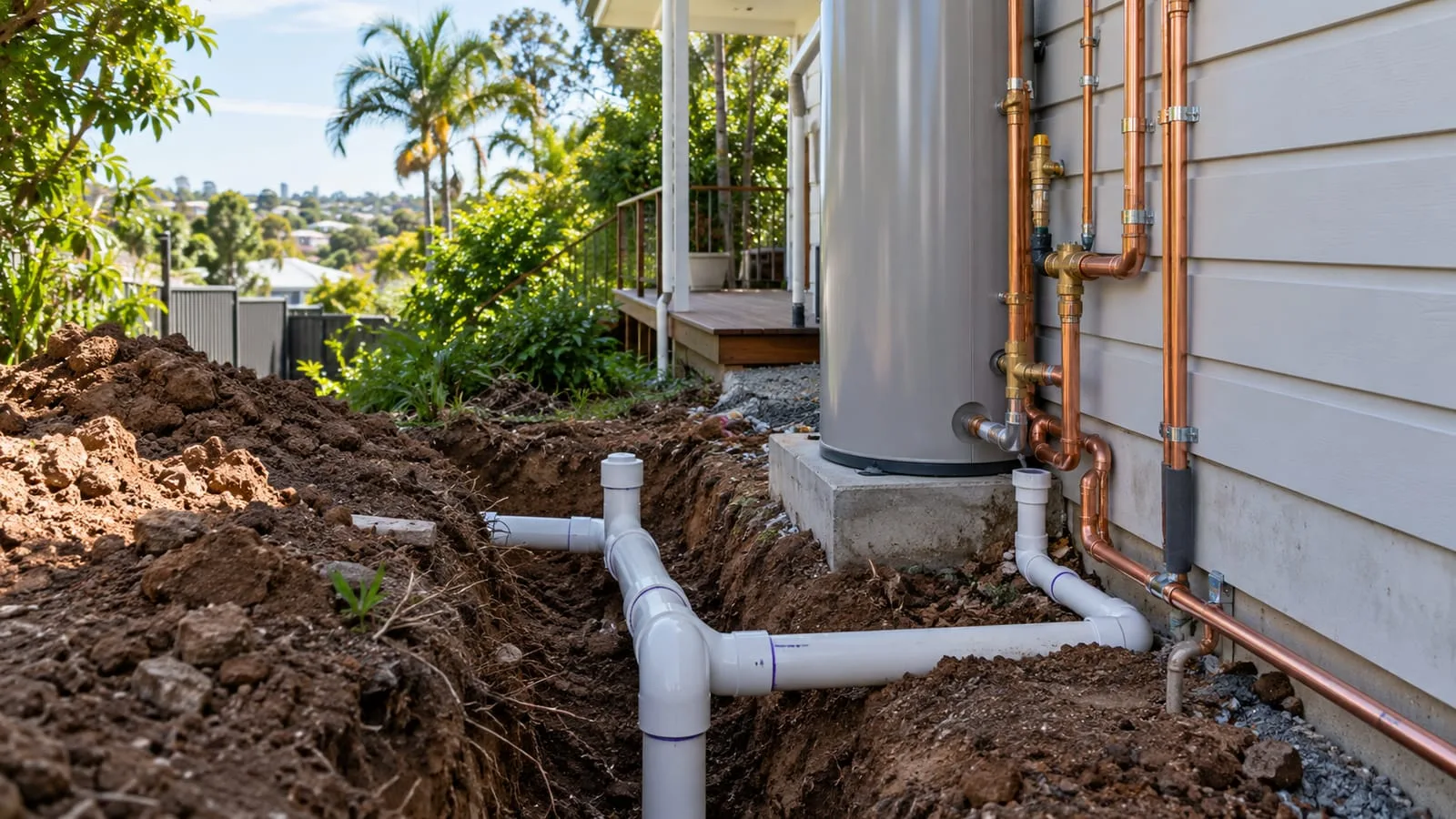
Copper is common for water supply inside and around houses, while PVC is widely used for drainage and waste. Poly pipe turns up underground and on larger blocks. Each has strengths, weaknesses and appropriate fittings. Ask your plumber to identify what is already in place and how new work will join it. Photograph visible pipework before renovations so records exist.
Often used for supply pipework in and around houses. Ask how new copper will connect to older lines.
Common for drainage and waste, with solvent-weld joints. Ask about support spacing and access for future repairs.
Poly pipe suits long underground runs on larger blocks, and needs correct bedding and fittings.
Older homes often have several materials joined over time. Ask your plumber to explain where each type begins and ends.
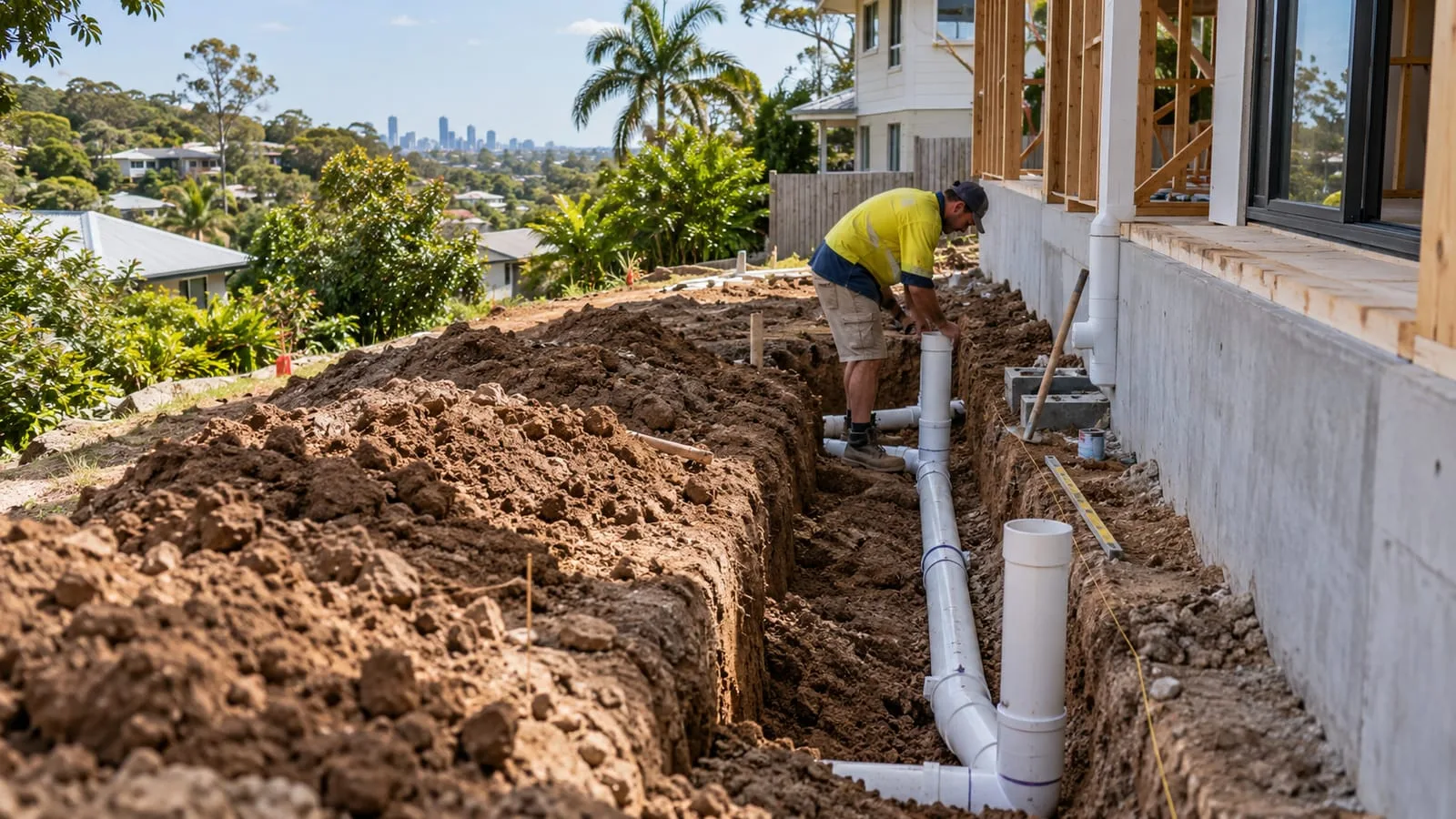
Underground pipe lasts longer when it is laid and supported properly. Trench depth, bedding material and backfill all affect how well a new run copes with clay movement and traffic.
| Depth and cover | Ask how much cover the pipe will have, particularly beneath driveways and areas where vehicles or machinery pass. |
|---|---|
| Bedding material | Sand or fine material around the pipe supports it. Ask what will be used, and how clay areas are handled. |
| Crossing services | Trenches may cross other pipes, cables or roots. Ask how those will be located and protected. |
| Record the route | Photograph the open trench and mark the route on a plan. This saves trouble during later digging. |
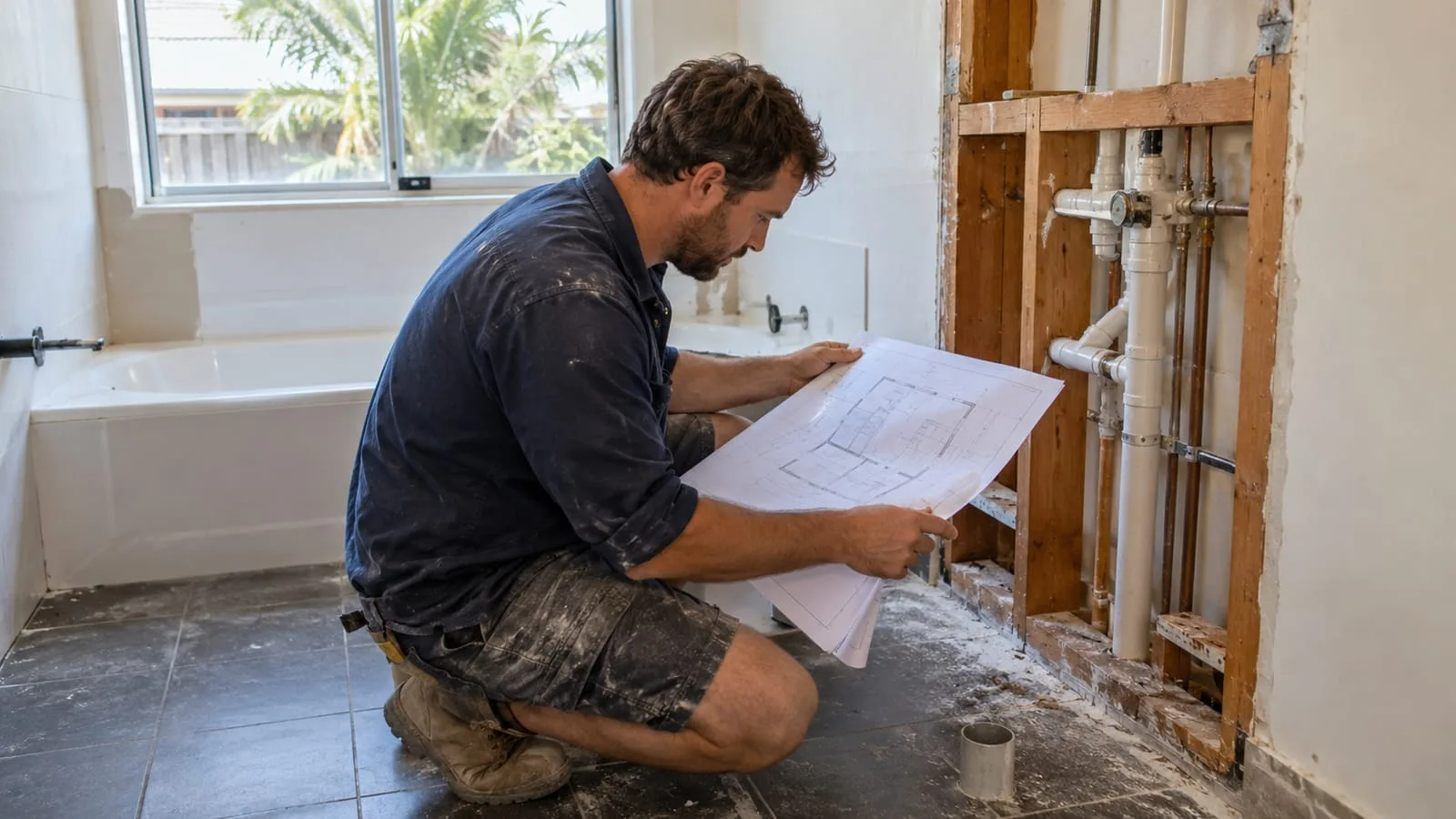
Plumbing touches almost every renovation trade. Understanding the order of rough-in, fit-off and testing keeps the project moving, protects finished surfaces and avoids walls being reopened later.
Rough-in happens while framing is open, before lining and tiling. Fit-off follows once finishes are complete. Share fixture lists, drawings and any changes with your plumber early, since moving a basin or shower after sheeting is expensive. Ask when pressure testing happens and who inspects it. Coordinate with your builder, electrician and tiler so the plumber has access at the right times.

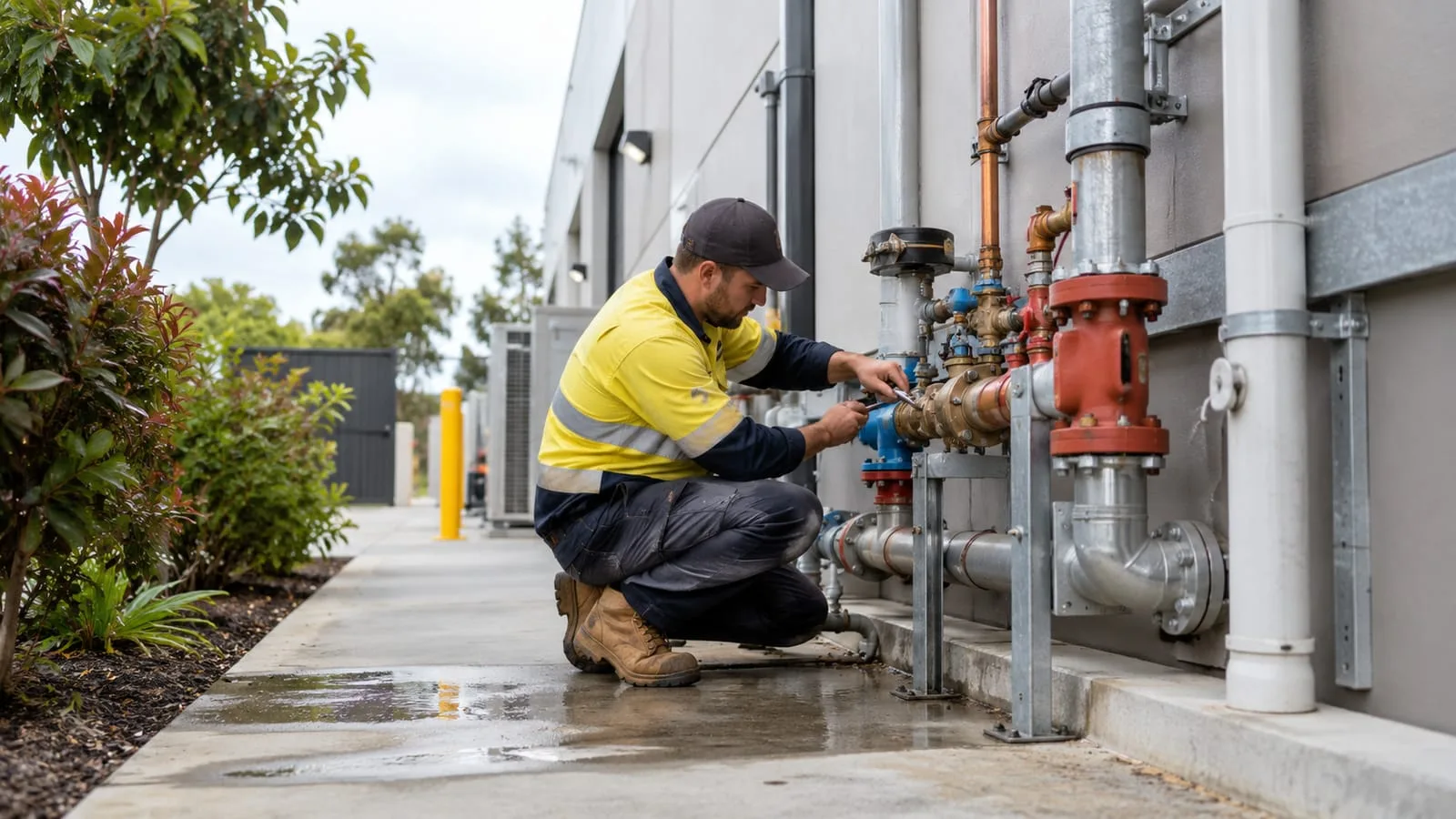
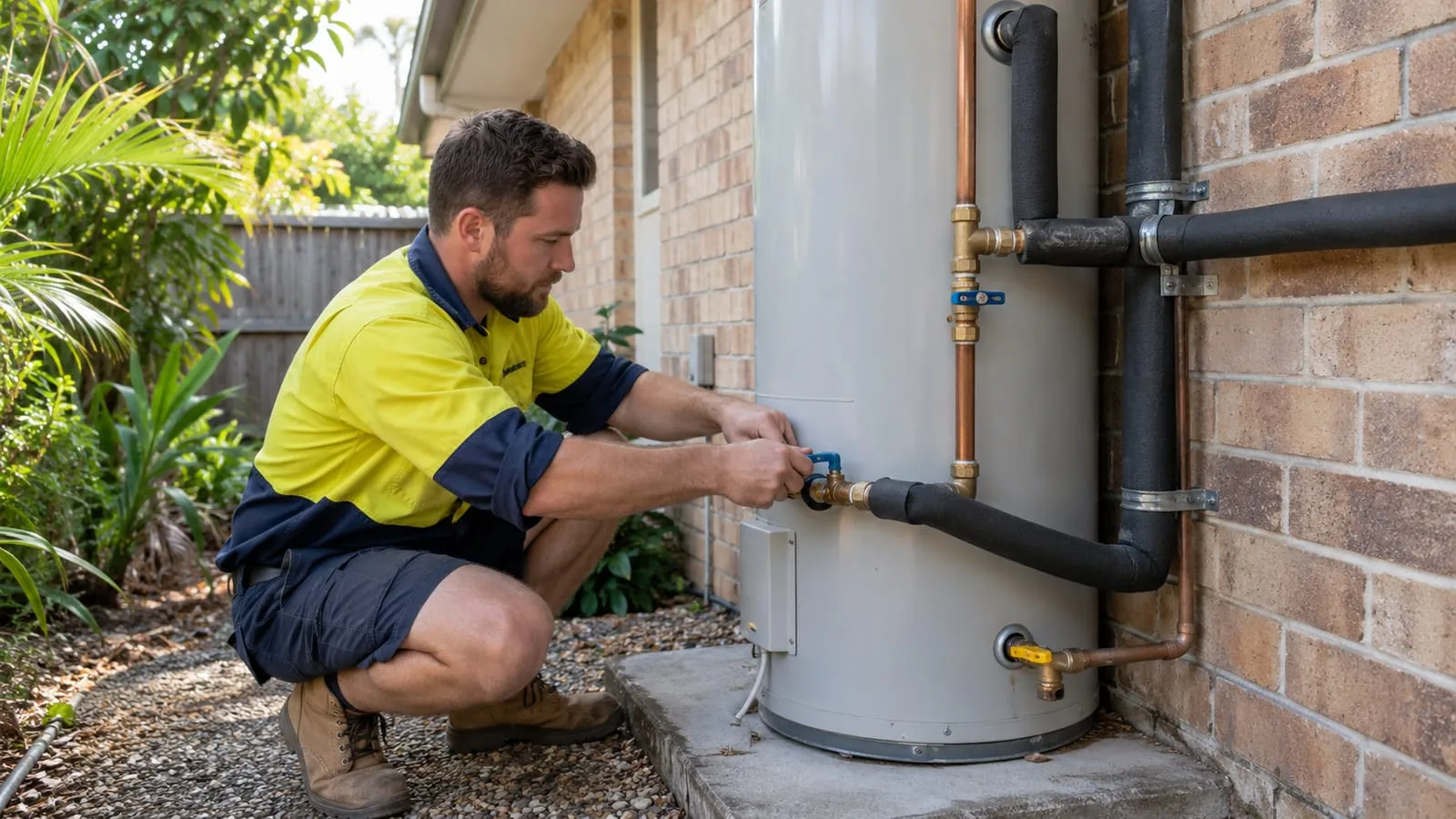
From new installations to repairs and upgrades, our licensed plumbers deliver reliable, high-quality plumbing and pipework for homes and businesses across Brisbane, built to perform well and designed to last.
Pipework performs best when it is planned, installed with quality materials and tested before it is covered up. We handle supply, drainage and gas lines for projects of every size, assess your property first and document the finished work, so you are left with safe, reliable plumbing that is built to last in local conditions.
We install, repair and replace water supply, drainage and gas pipework, handling projects of every size and giving you one dependable team for all your plumbing needs, big or small.
We use quality pipes and fittings suited to local Queensland conditions, helping your plumbing resist corrosion, pressure changes and ageing, and reducing the risk of leaks, bursts and expensive repairs.
Before work begins, we assess your property, plan pipe runs carefully and explain the best approach, minimising mess, noise, disruption and unnecessary changes to walls, floors and landscaping wherever possible.
Every job meets Queensland plumbing standards and is tested before completion, so you receive safe, reliable pipework backed by clear documentation and honest, professional workmanship, for total peace of mind.