Water keeps running
Identify whether the issue is continuous or follows a flush.


Discuss leaking cisterns, flushing faults, blocked toilets and replacement installations.
A toilet that runs constantly, flushes weakly or leaks at the base can waste water and cause damage if left alone. In Brisbane homes, the cause may be a worn cistern part, a loose connection or a blockage further along the drain, sometimes from tree roots. Simple faults are often easy to fix.
Sometimes a repair is all that is needed, and sometimes replacement makes more sense. Tell us what your toilet is doing, and we can help you work out whether to repair it or install a new one. Clear details help us work out the likely cause and the sensible next step.
Explore Brisbane Toilet Repairs and find the right starting point for your property.
A toilet that keeps running and one that will not flush properly are separate problems, and neither automatically means the whole fixture needs replacing. Describing exactly what happens, and when, helps the enquiry start in the right place instead of with a purchase that may not be needed.
Identify whether the issue is continuous or follows a flush.
Explain whether the bowl, cistern or other drains are also affected.
Provide the existing set-out and the proposed fixture details.
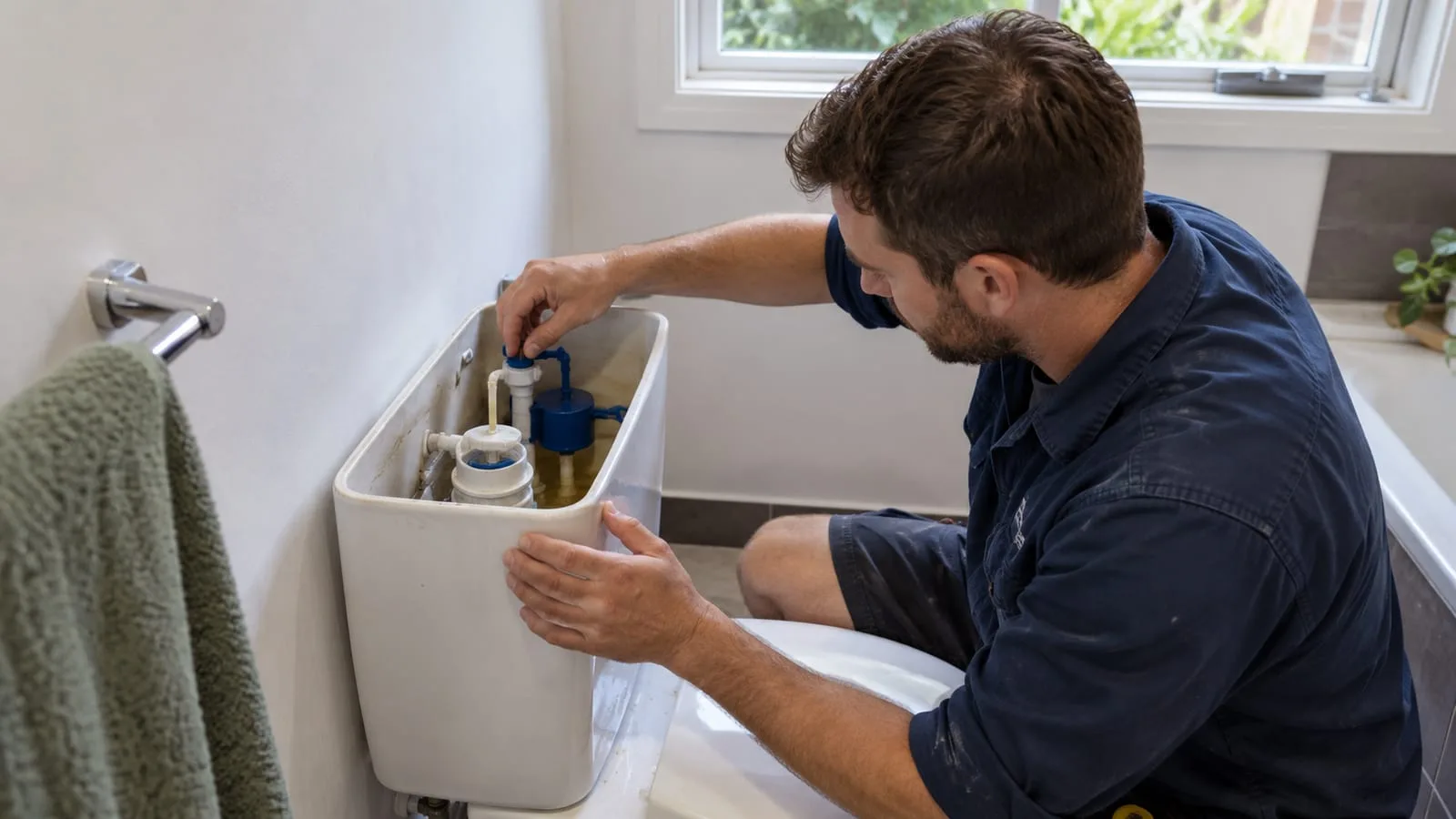
Running cisterns and weak flushing do not always have the same cause. Note whether water runs continuously, the bowl fills slowly or other drains are also affected, because these clues point towards different faults. Diagnosing correctly avoids replacing parts unnecessarily.
When replacing a toilet, check the existing set-out and connection arrangement before buying a fixture. A compatible selection can simplify installation and reduce changes to finished surfaces, such as tiles, flooring and the wall behind the cistern. Taking measurements and photographs of the existing toilet also makes finding a replacement easier.
Toilets connect to both the water supply and the drain, and the existing arrangement strongly influences what can be fitted. Because the position of the waste outlet and the style of the cistern vary between homes, repair and replacement work need to be separated carefully from the start.
Do not assume compatibility. Have the existing arrangement and the selected fixture checked before purchasing.
It can be useful to note whether other fixtures are affected. A professional assessment can establish what further investigation is appropriate.
Describe whether the issue involves flushing, refilling, leaking or a blockage. Include the fixture model if known and photographs of accessible connections.
Yes. Note any slow drains or unusual behaviour elsewhere and when it occurs so the assessment starts with a clearer picture.
You can share a preferred model, but confirm dimensions, connections and installation requirements before buying it.
Ask whether removal, disposal, installation and any work to surrounding finishes are included. Have exclusions recorded in the scope.
A toilet that trickles or refills without being flushed wastes water and often gets worse. The fault is frequently a small worn part inside the cistern rather than anything serious.
Lift the cistern lid and watch. If water runs over the overflow tube, the inlet valve may not be shutting off. If the water level drops slowly without a flush, the flush valve seal may be leaking into the bowl. A few drops of food colouring in the cistern, left for a short time, can show whether coloured water appears in the bowl.
If water keeps rising to the overflow, the float or inlet valve may be worn or stuck and need adjusting or replacing.
Food colouring in the cistern appearing in the bowl suggests the flush valve seal is no longer sealing properly.
Photograph the cistern interior and brand label, as parts vary between models and matching them saves time.
Know where the toilet’s isolation tap is, so you can stop the water quickly if the problem gets worse.
Water around the base of a toilet is more than a nuisance. It can soak flooring, damage subfloor timber and, in a high-set Queenslander, drip into rooms below.
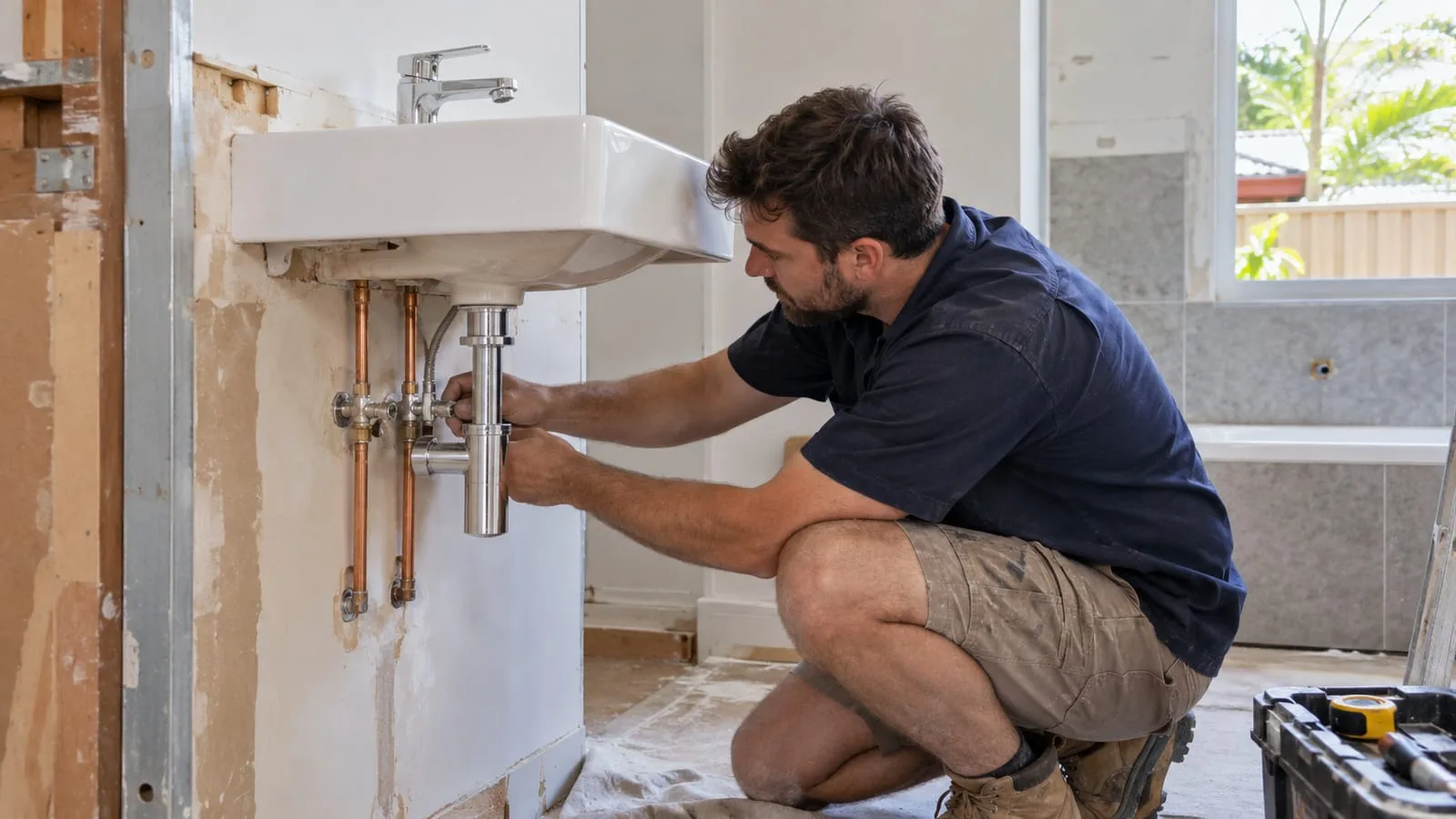
The seal where the pan meets the waste pipe can perish with age, letting water seep out with each flush.
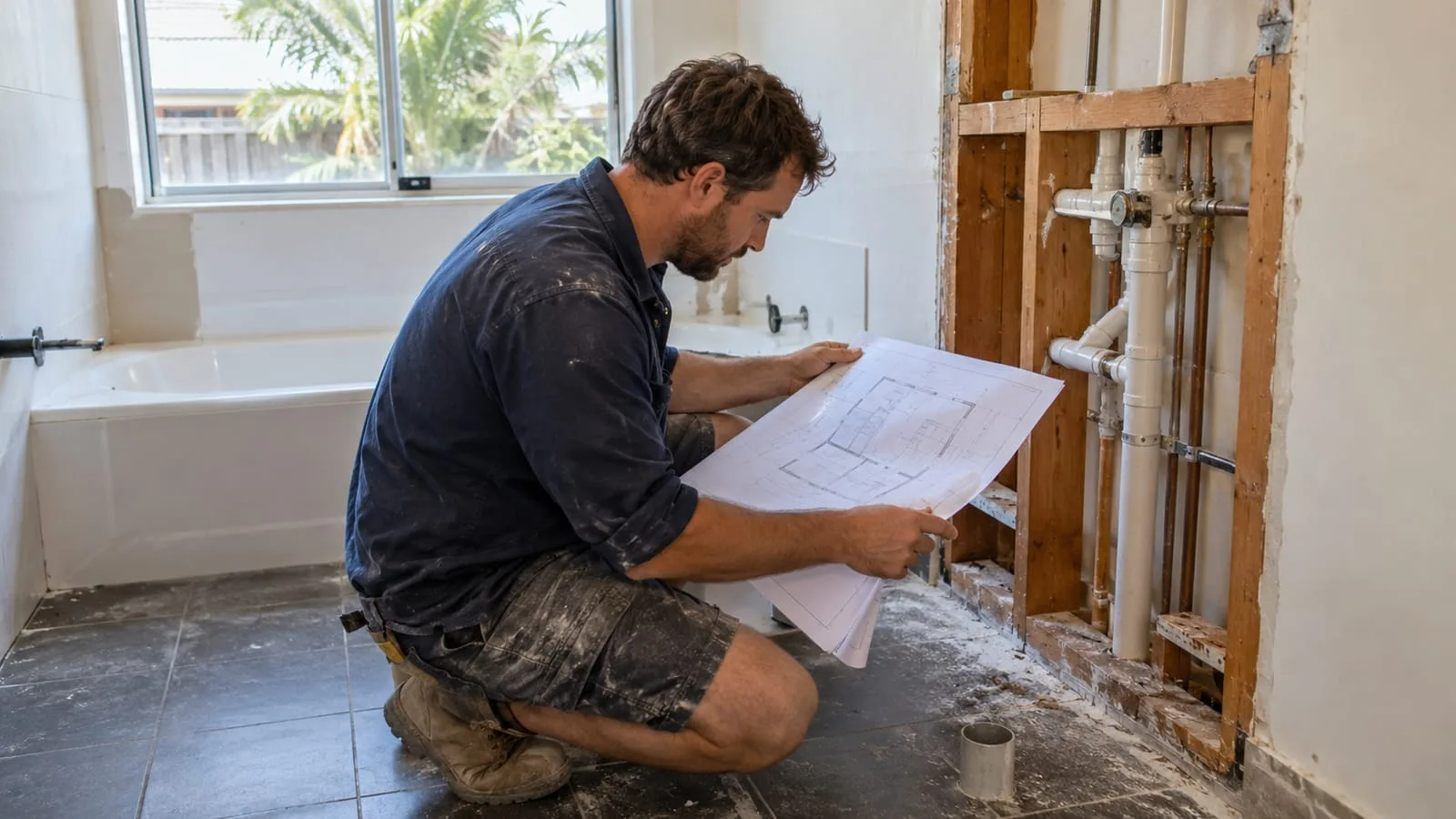
Loose or cracked fittings between cistern and pan can drip onto the floor and look like a base leak.
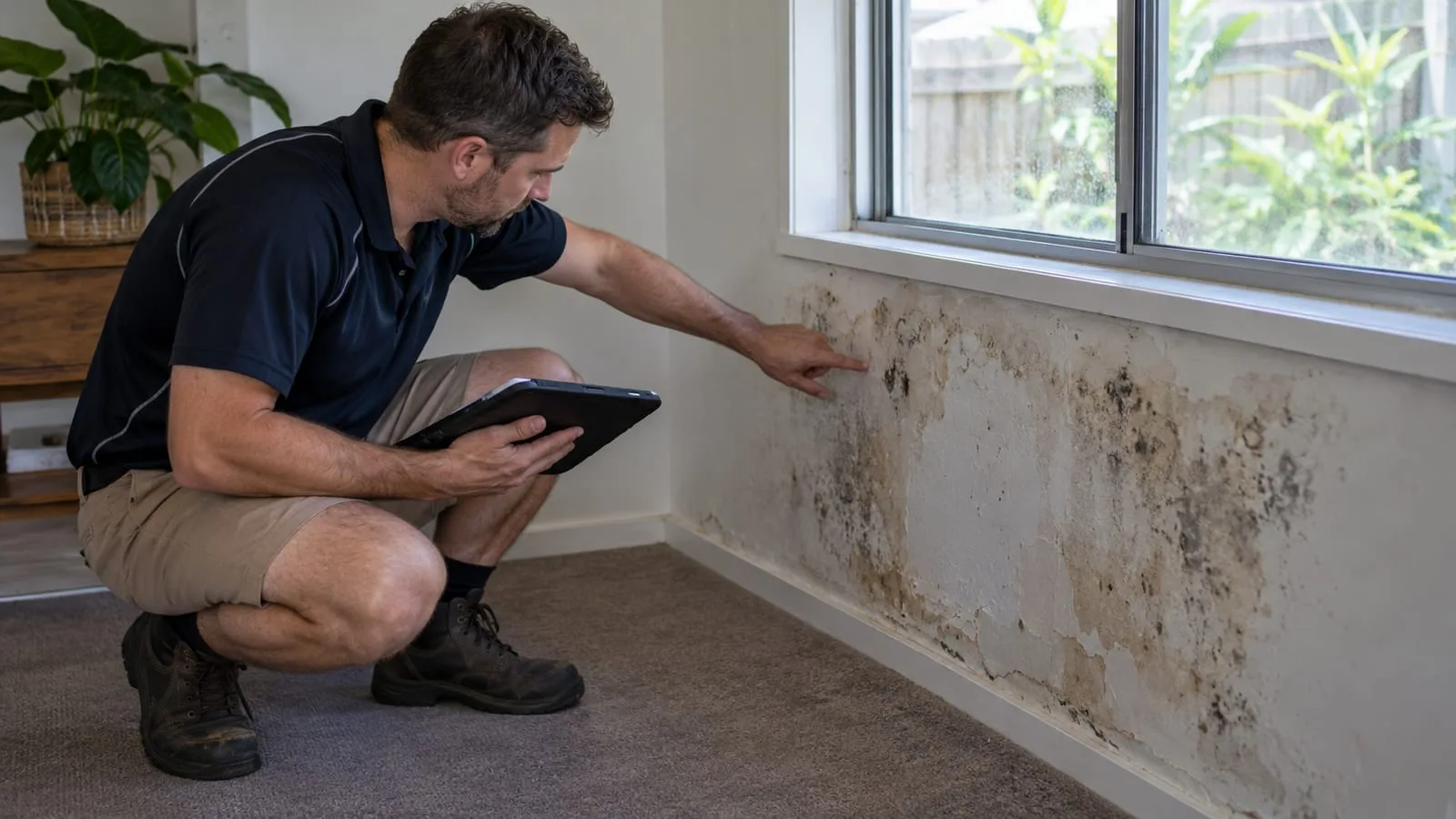
Cold water in the cistern can cause sweating on humid Brisbane days, which looks similar to a slow leak.
Wet patches at the base can come from a worn pan connector, a loose cistern coupling, condensation or a leaking supply line. Dry the area, add a few drops of colouring to the cistern and watch where moisture returns. Staining, soft flooring or a musty smell suggest the leak has been going for some time and may need a broader damage check.
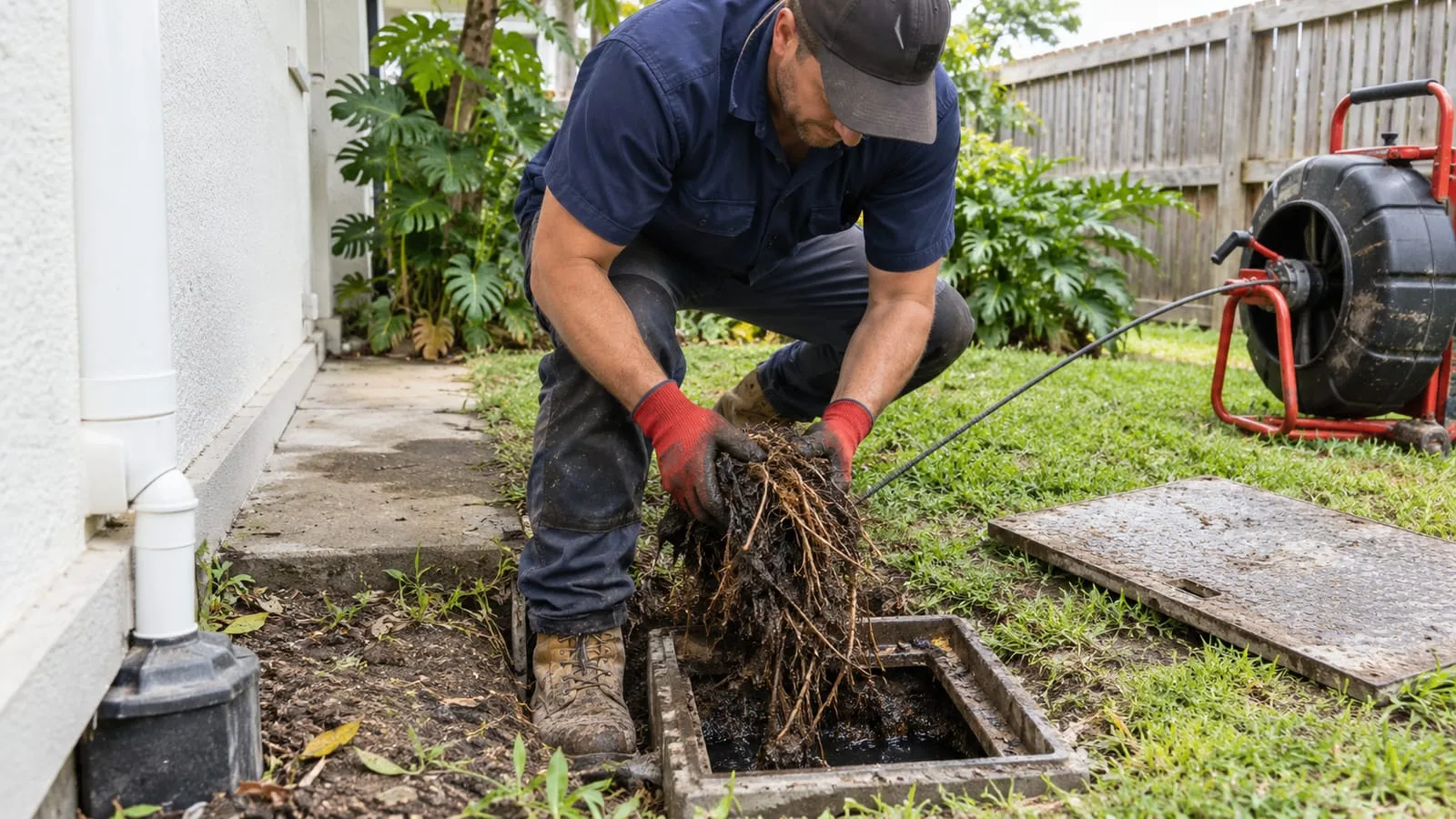
A toilet that flushes weakly or gurgles may have a cistern fault, a partial blockage or a problem further along the drain. The pattern of symptoms helps narrow it down.
If only one toilet is slow, the cause is probably local, such as blocked rim jets or a partial blockage in the pan. If other fixtures gurgle, drain slowly or the toilet bubbles when the washing machine empties, the problem may be in the main line. Tree roots seeking moisture often enter older Brisbane drain joints, so recurring problems may need a camera check.

A faulty toilet is more than an annoyance. Our plumbers diagnose and repair running, leaking, blocked and poorly flushing toilets quickly, restoring a clean, safe, reliable bathroom for your household.
Most toilet faults come down to a worn valve, seal or flush mechanism. We diagnose the real cause, repair it properly and test the result, so running, leaking and poor flushing stop without repeated call-outs. Where a suite is past repair, we fit a water-efficient replacement and leave the area clean and ready to use.
We quickly identify whether the problem lies in the cistern, flush valve, seal or pan connection, then fix it properly, avoiding guesswork, repeated call-outs and wasted time, effort and money.
A constantly running toilet wastes large amounts of clean water. We repair faulty valves, fill mechanisms, flush buttons and seals, reducing your water bill and preventing damage to bathroom floors.
We repair most toilet suites and, when needed, supply and install a modern, water-efficient replacement, advising you honestly on what is the most cost-effective solution for your budget and bathroom.
Our plumbers carefully protect your floors, work cleanly and sanitise the whole area afterwards, leaving your bathroom fresh, clean, functional and ready to use again as soon as we finish.