Water Supply and Pressure Checks
We test water pressure, flow and visible pipework at taps and fixtures, identifying leaks, corrosion and weak supply that could signal costly repairs soon after you move in and settle.


Review accessible plumbing and drainage concerns before committing to a property purchase.
Buying a property is a big commitment, and hidden plumbing or drainage problems can turn into expensive surprises after settlement. A pre-purchase plumbing inspection looks at what can be seen and tested, helping you make a more informed decision on a Queenslander, brick home or unit in Brisbane. Information before you buy is valuable.
An inspection cannot reveal everything, but it can highlight leaks, ageing fixtures and drainage symptoms worth investigating further. Contact us with the property details, and we can help you discuss what a sensible inspection should cover. A clear picture of the plumbing helps you plan future repairs.
Explore Brisbane Pre-Purchase Plumbing Inspections and find the right starting point for your property.
We test water pressure, flow and visible pipework at taps and fixtures, identifying leaks, corrosion and weak supply that could signal costly repairs soon after you move in and settle.
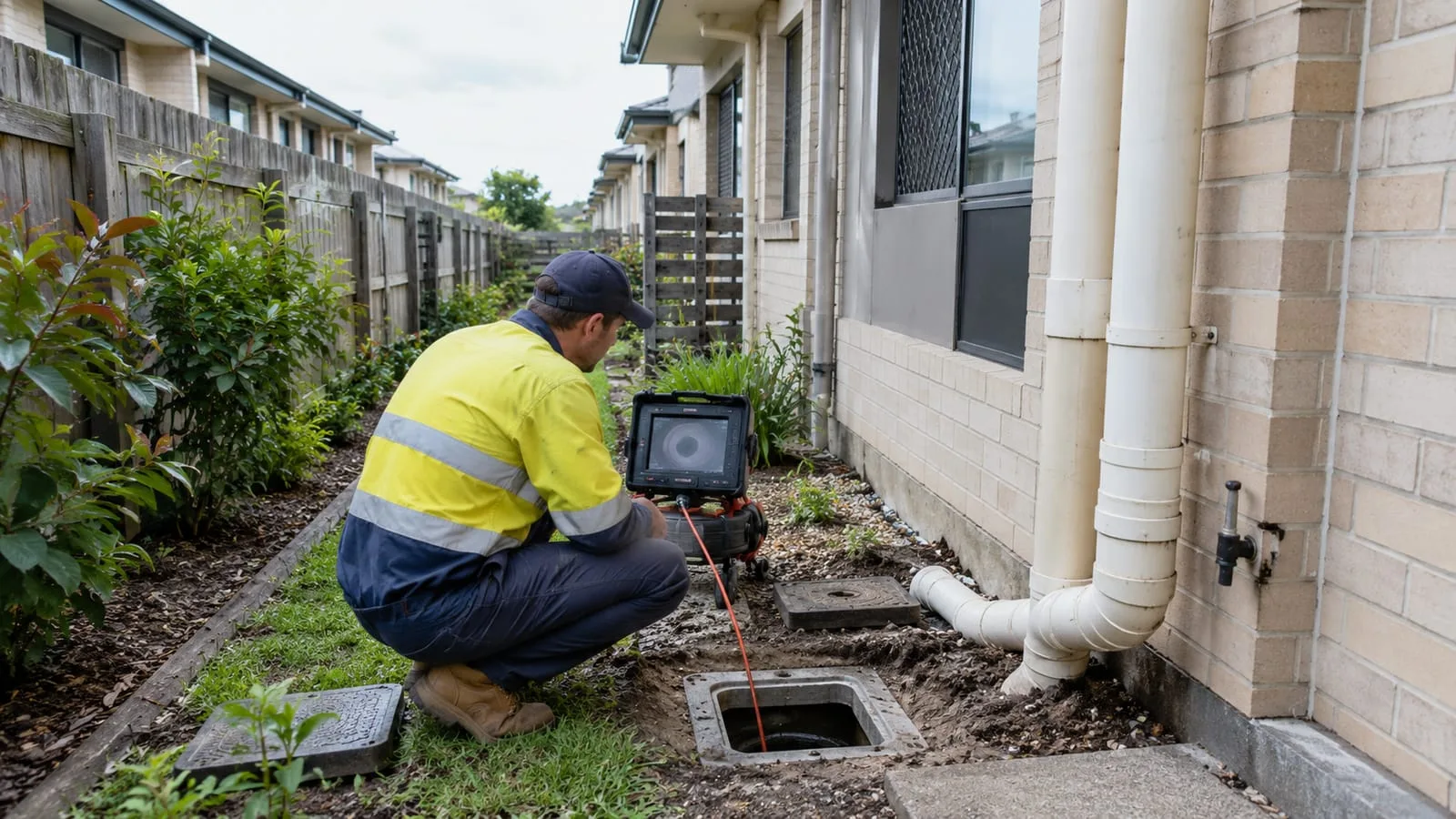
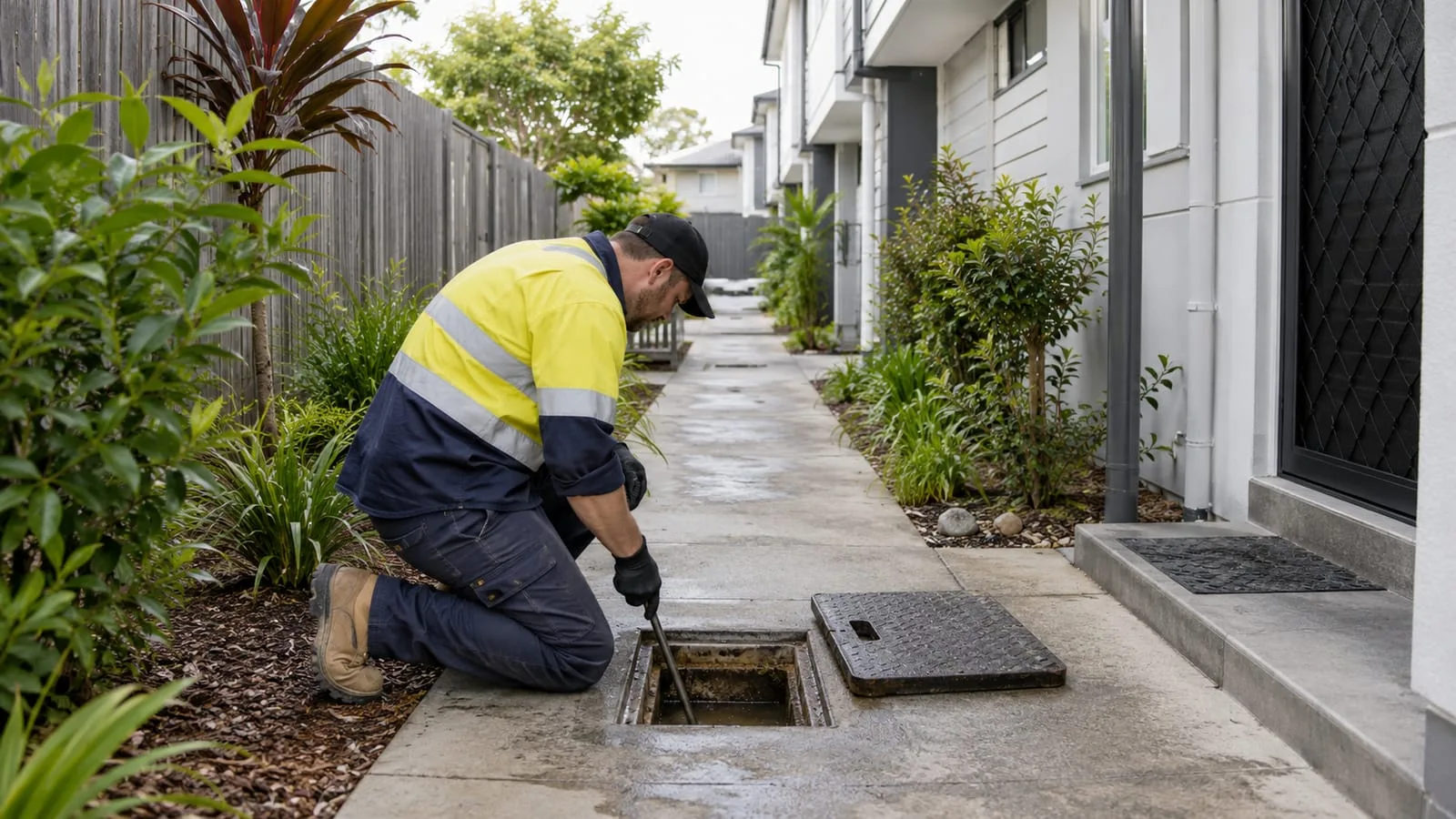
We check how well fixtures drain and look for signs of blockages, root intrusion and ageing pipes, and recommend CCTV drain inspection if there are concerns about the main line.
We assess the age, condition and operation of the hot water system, noting any leaks, rust or compliance issues and estimating roughly how much longer it is likely to last.
Where gas is connected, we check visible pipework, appliances and ventilation for obvious faults and advise whether a licensed gas compliance inspection is recommended before you proceed with the purchase.
We operate every tap, toilet, shower and basin, looking for leaks, slow drainage and worn components, so you understand the true condition of the bathrooms, kitchen, laundry and outdoor areas.
You receive a clear report listing problems found, how urgent each one is and the likely repair approach, giving you practical information for negotiating price or planning future plumbing maintenance.
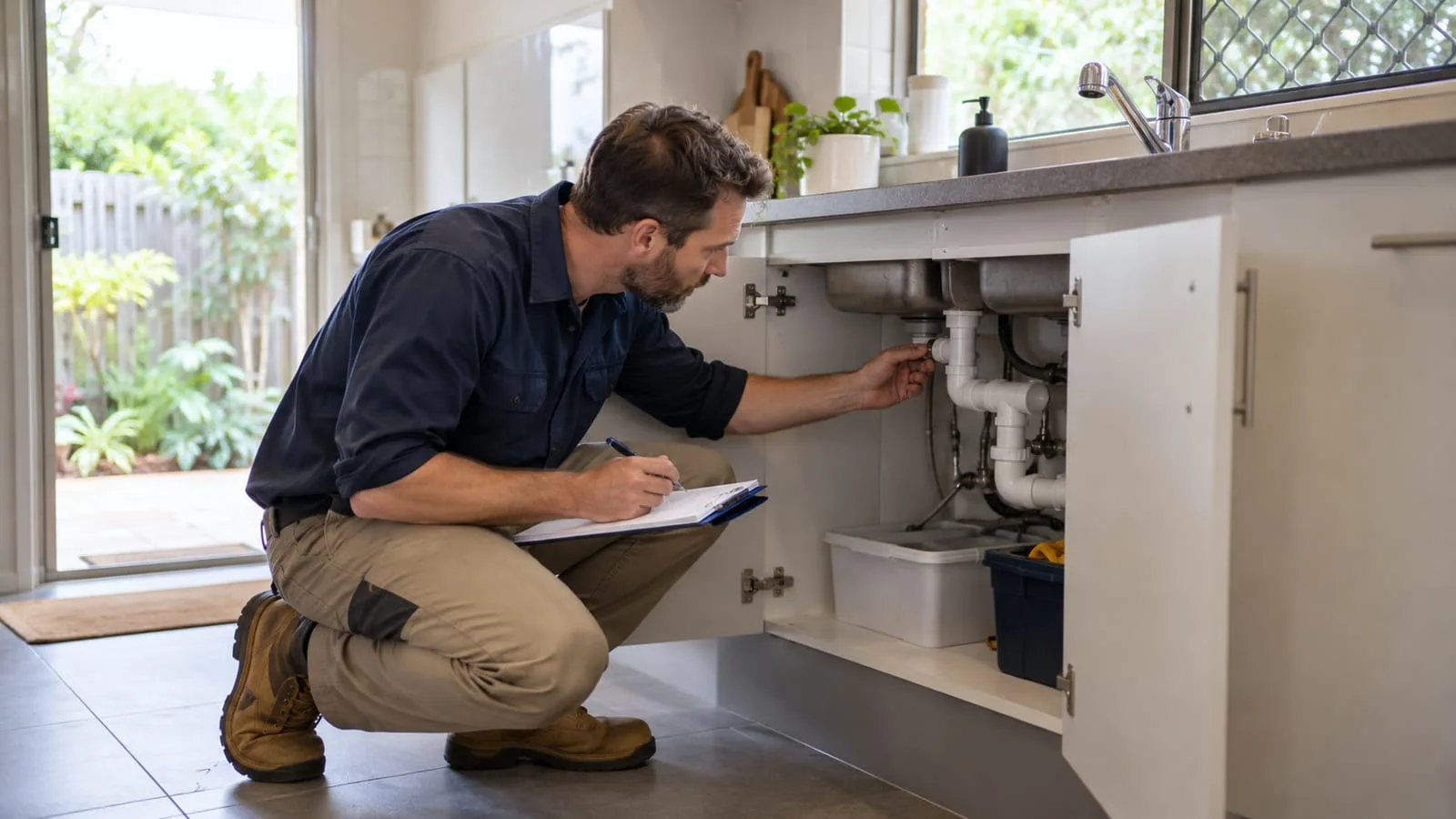
Buying a property is a major investment, and plumbing problems are among the most expensive defects to discover after settlement. Ageing pipes, hidden leaks and poor drainage often go unnoticed during a quick walk-through, yet they can cost thousands to repair. A pre-purchase plumbing inspection gives you a clear picture before you commit. Our licensed plumbers check the condition of pipework, fixtures, hot water and drainage, and provide a clear, straightforward report. If you are considering a property in Brisbane, our pre-purchase plumbing inspections help you buy with real confidence. Here are the signs that an inspection is especially worthwhile.
Before settlement, a plumber can look at the parts of a house a general inspection may skim over. Knowing what they check helps you read results with realistic expectations.
| Taps and flow | Running every tap and shower helps show pressure and drainage, and reveals leaks at joints and fittings. |
|---|---|
| Under sinks | Cupboards under basins often reveal staining, corrosion, loose fittings and amateur repairs that are invisible from outside. |
| Toilets and cisterns | Operation, leaks and base seals are checked. Ask for notes on anything that looks aged or unusual. |
| Inspection limits | Pipes in walls and slabs cannot be seen. Ask what the inspection does and does not cover. |
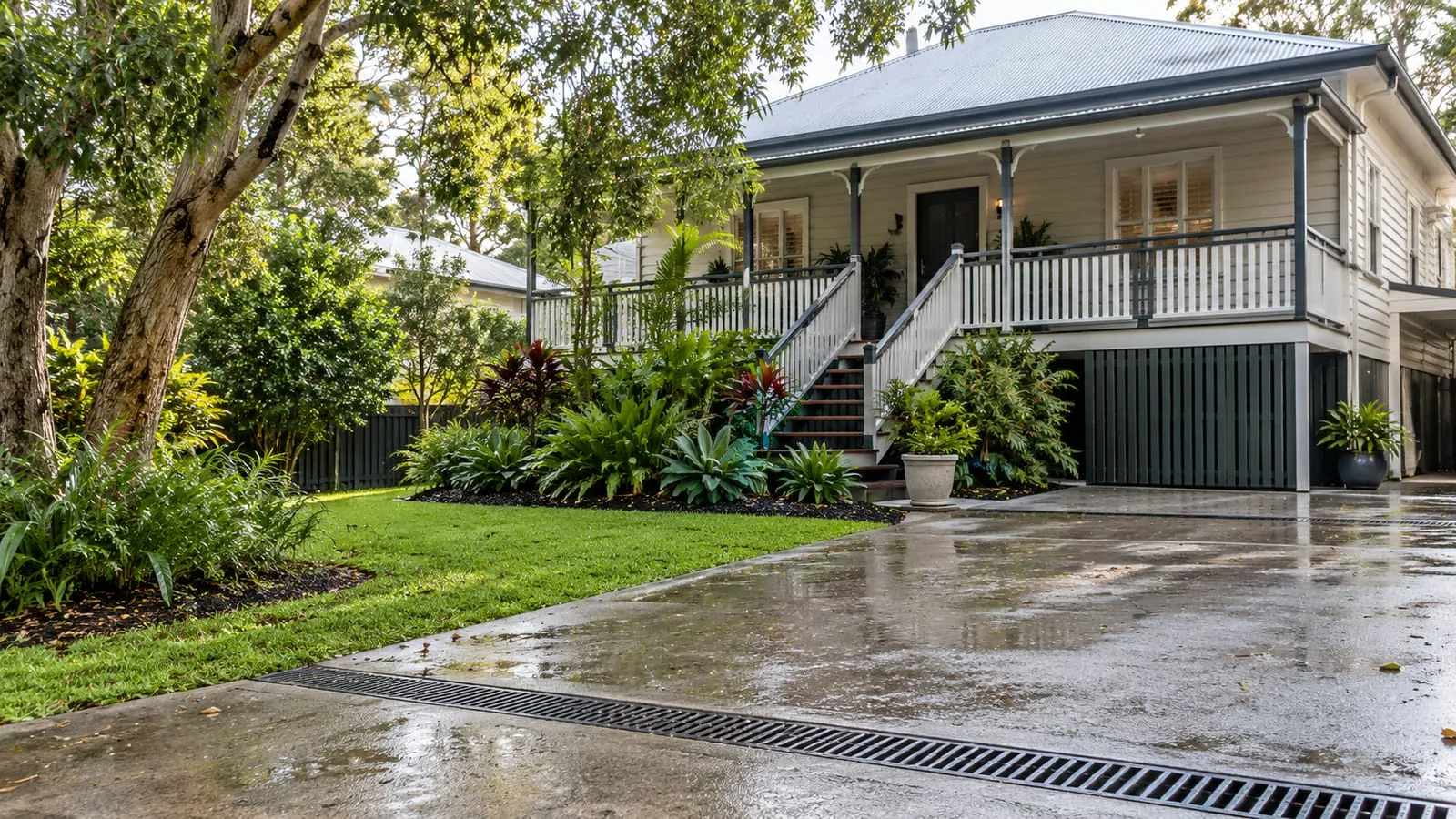
Older raised homes often hide plumbing and drainage under the floor, where problems can go unnoticed for years. An inspection should cover what can be seen from the under-house space.
The inspector will usually look for damp, staining, leaking joints, sagging waste lines and signs of earlier repairs. Ask whether they will access the area or only look from the edge. In sloping Brisbane blocks, under-house height can limit access, so clarify what could not be seen. Photographs and notes help you compare findings with other reports and discuss them with the seller.
Wet soil, tide marks on stumps and stained timber can point to past or present leaks beneath the house.
Sagging, cracked or patched waste lines are noted, especially where joints look stressed or repairs are crude.
Low clearance or stored items may prevent full inspection. Ask for any limitations to be recorded in the report.
Mismatched pipe materials and clamps can show earlier fixes. Ask what they suggest about the home’s history.
A plumbing report is only useful if you understand what it says. Sorting findings into urgent, soon and monitor categories makes it easier to decide what to do before and after purchase.
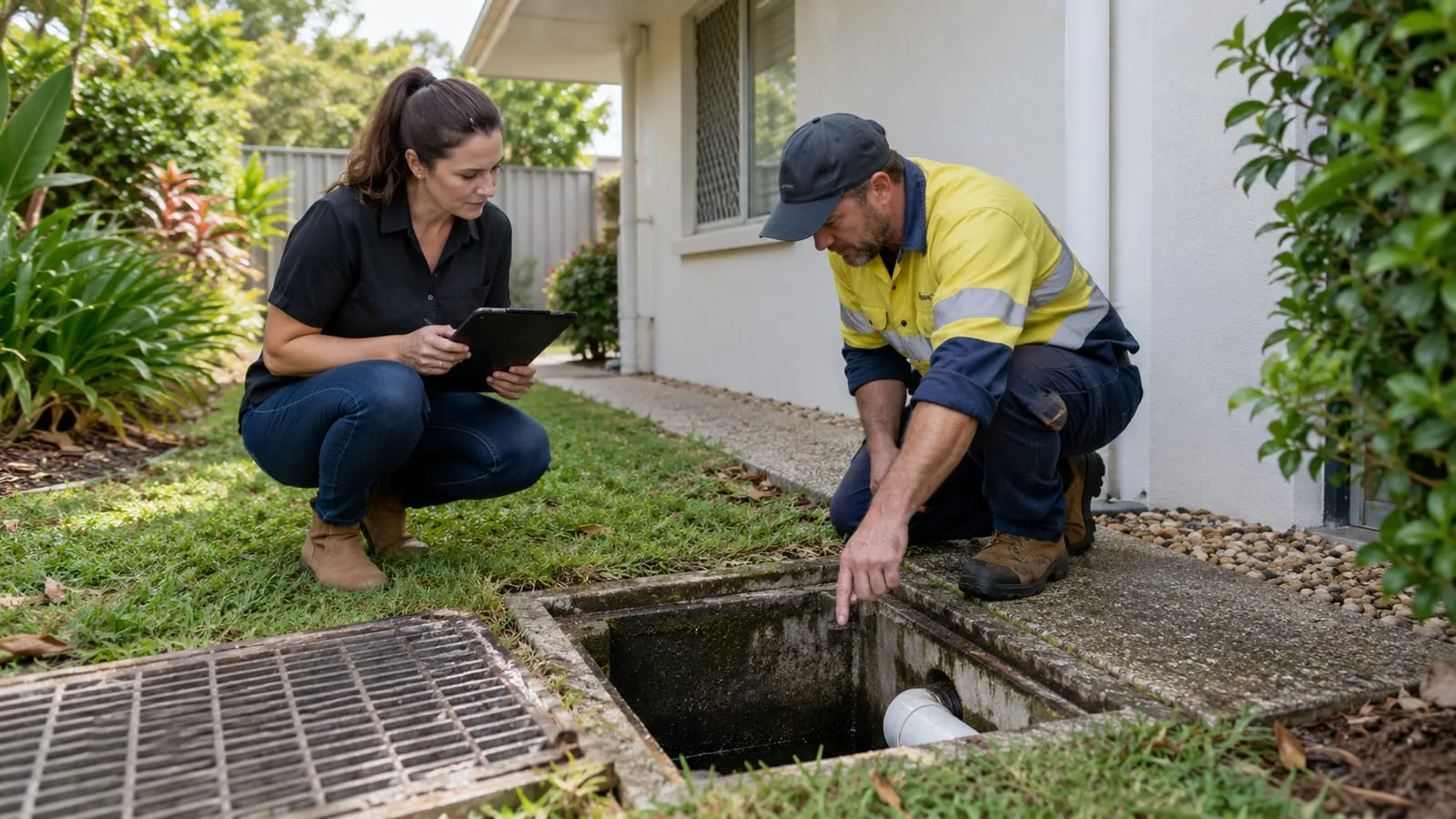
Read the report with a highlighter and group items by priority. Urgent safety or active leak issues may justify further investigation or negotiation, while ageing fixtures might simply go into a maintenance plan. Ask the inspector to explain anything unclear and to indicate likely repair scope in general terms. Share the report with your conveyancer or agent so they can advise on next steps.
Group findings into urgent, soon and monitor, so the long list becomes a manageable plan.
If wording is vague, ask the inspector to explain it and show photos of what they saw.
Items that cannot be judged visually, such as buried drains, may need a camera inspection or specialist opinion.
Pass the report to your conveyancer or agent so they can advise how findings might affect your purchase.
Buying a property is a major investment. Our pre-purchase plumbing inspections reveal hidden defects, leaks and compliance issues before you commit, helping you buy with confidence and avoid expensive surprises.
A plumbing inspection before you buy is cheap insurance against expensive surprises. We check the visible plumbing, drainage, hot water and gas, recommend a camera inspection where there is doubt and set it all out in a clear written report, so you understand the property's real condition before you sign and can negotiate with confidence.
No. Agree the scope and limitations, including access and any specialist testing, before the visit.
They can identify observations that deserve further assessment. Ask how locations, photographs and recommended follow-up will be recorded.
Provide the property address, purchase stage, available access and the plumbing questions you want answered. Mention any reports already available.
Agree this before booking. Identify the owner, agent or other authorised contact who can provide entry to the areas included in the scope.
Confirm the reporting format before the visit, including whether photographs, observations, access limitations and suggested follow-up will be recorded.
No. Include your preferred date and any purchase deadline in the enquiry. Rely on an appointment only after availability and scope have been confirmed.