Slab Leak Detection
We locate leaks in pipes under concrete slabs using acoustic equipment and pressure testing, pinpointing the fault so repairs are targeted and disturb as little of your floor as possible.


Investigate unexplained water use, damp patches and suspected concealed pipe leaks.
A higher water bill with no obvious explanation, a damp patch on a wall or lawn that never dries, or a meter that keeps moving can all point to a hidden leak. Finding it early protects your Brisbane property from further damage. Small leaks can quietly waste a lot of water.
Concealed pipes under slabs, in walls, under a Queenslander or underground are hard to inspect by eye, so locating the source properly matters. Tell us what you have noticed, and we can help you plan an investigation that limits unnecessary disturbance. Careful investigation avoids guesswork and unnecessary digging.
Explore Brisbane Leak Detection and find the right starting point for your property.
We locate leaks in pipes under concrete slabs using acoustic equipment and pressure testing, pinpointing the fault so repairs are targeted and disturb as little of your floor as possible.
Moisture meters and thermal tools help us trace leaks behind walls, floors and above ceilings, so we can repair the pipe without opening large areas of plasterboard, brickwork or tiling.
Unexplained wet patches or a rising water bill often signal a leak underground. We trace the break in supply lines and gardens, and advise on the quickest practical, cost-effective repair.
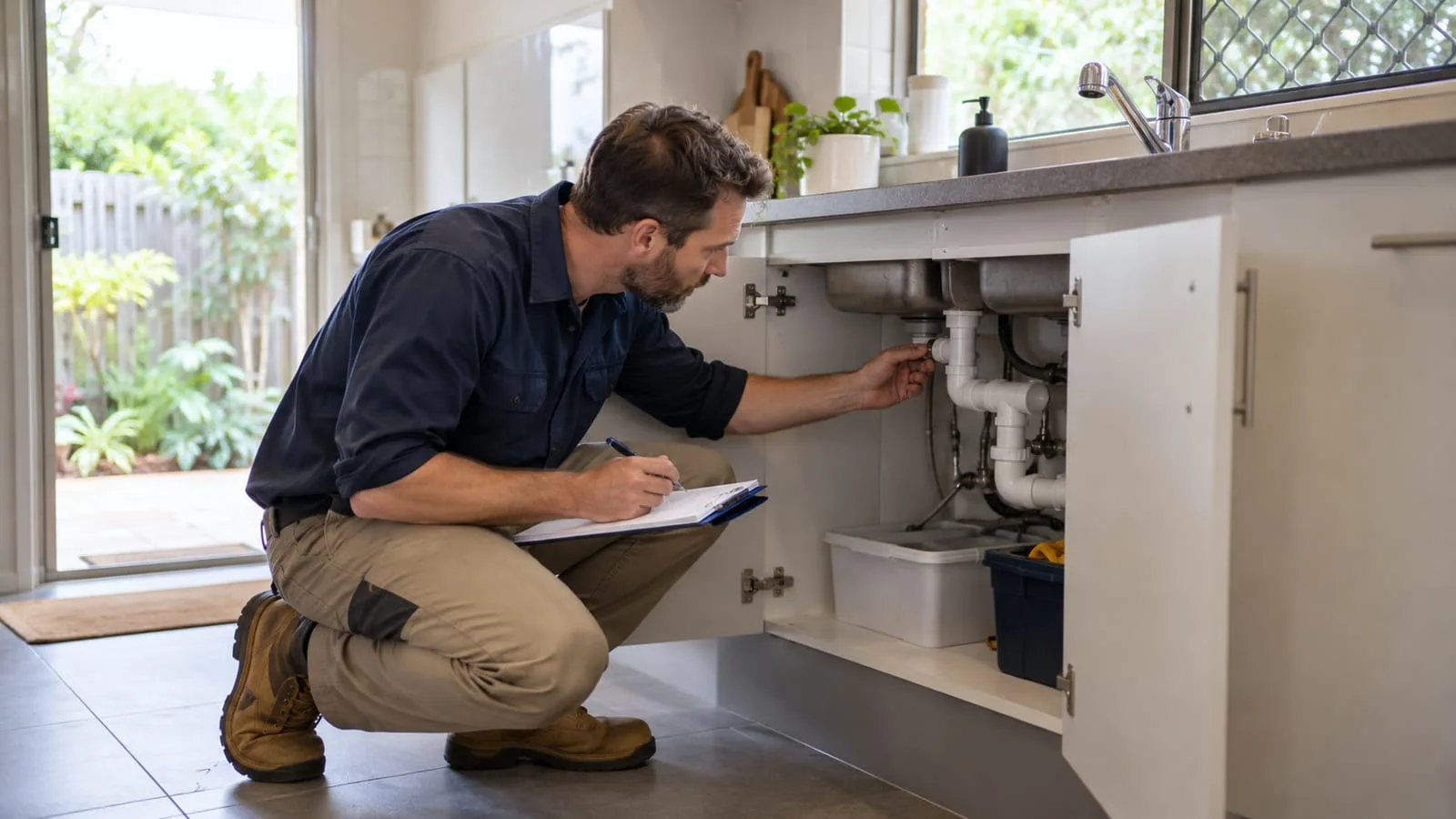
Leaks from showers, baths and waste pipes can damage adjoining rooms below. We test plumbing and drainage to find the source and distinguish it from waterproofing membrane or tile failures.
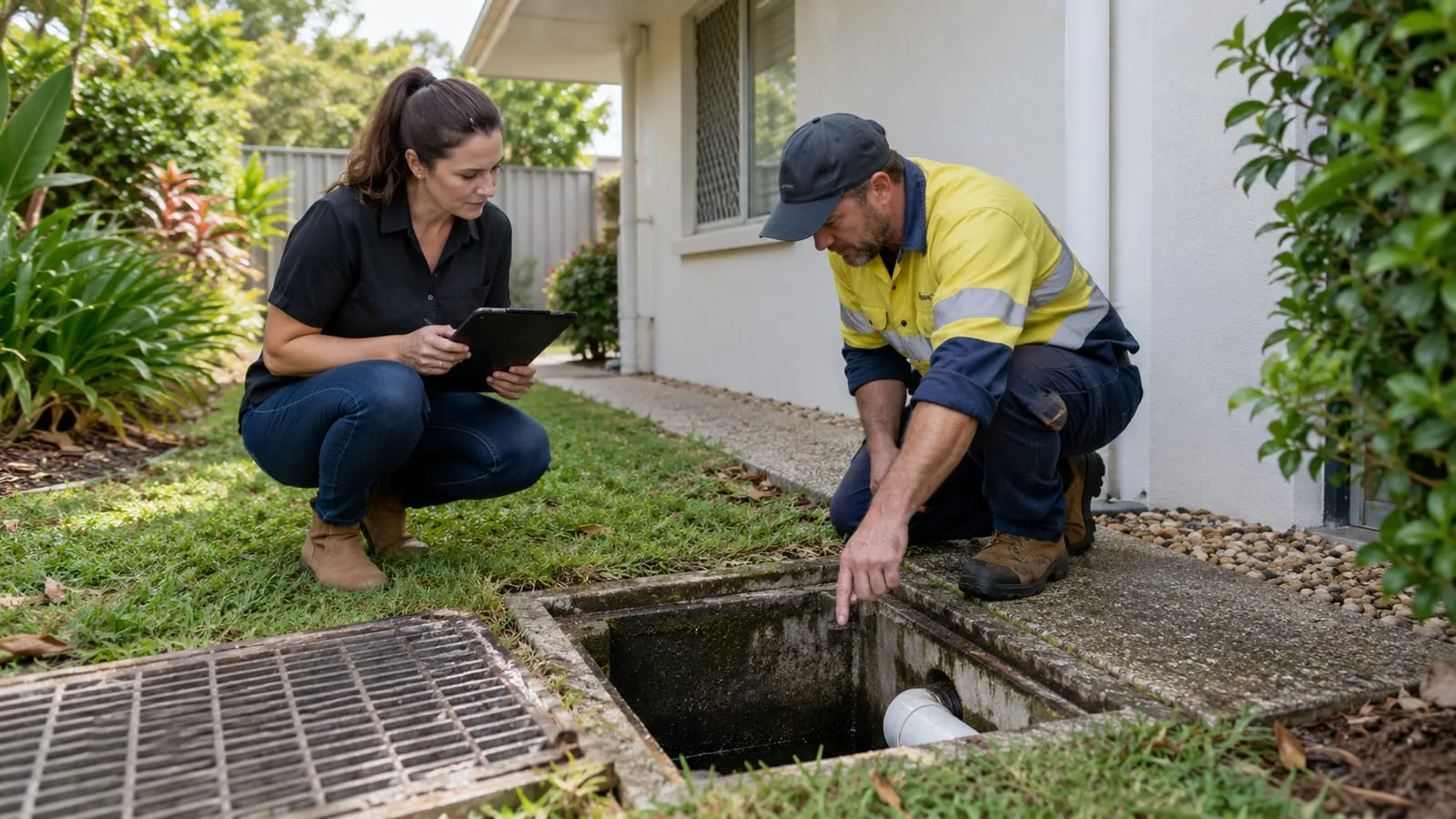
We carefully investigate leaks in irrigation, pool supply and outdoor water lines, locating faults accurately so repairs are quick and your garden, paving and pool surrounds are not disturbed unnecessarily.
We document our findings with clear written reports and photos where appropriate, supporting insurance claims and giving owners, tenants and strata managers solid, reliable evidence of the cause and location.
Hidden leaks waste water quietly, often for months, while damaging timber, plasterboard, slabs and foundations. Because they happen inside walls, under floors or beneath gardens, you may not see anything until the damage is serious and your water bills have climbed sharply. Spotting the early signs lets you act early, before repairs become large, disruptive and expensive. Our leak detection specialists use acoustic equipment, moisture meters and pressure testing to locate leaks accurately, so repairs are targeted and disturb as little of your property as possible. These are the most common signs that you may have a hidden water leak.
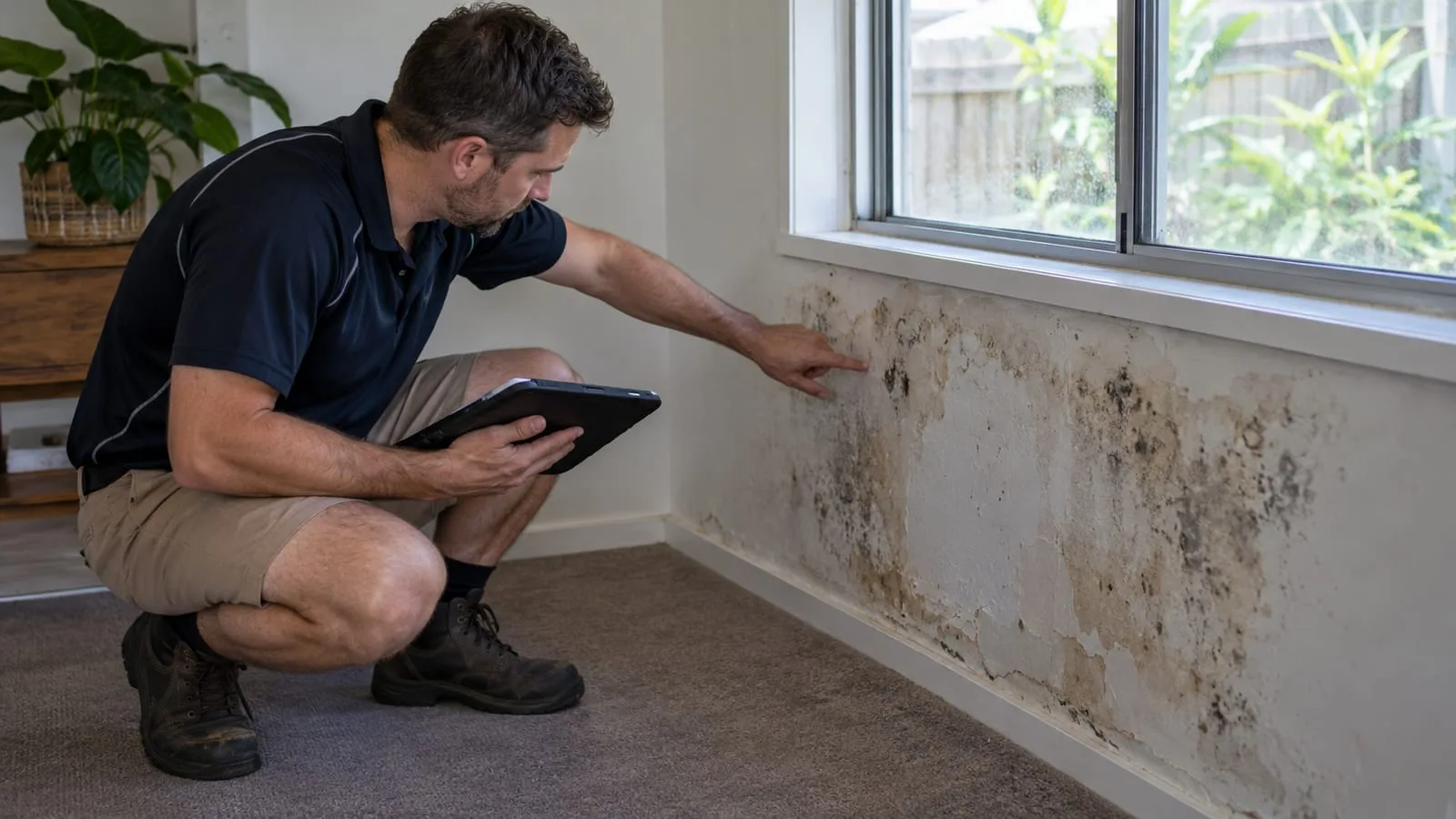
An unexpected rise in water use or persistently soggy ground between storms can suggest a hidden leak. Record when the symptoms occur and whether fixtures are running at the time, since patterns often help rule out common causes. Taking a note of your water meter reading at different times of day can also help.
Investigation methods depend on the property and pipework. Locating a likely source can help define targeted access and avoid unnecessary disturbance to finished surfaces, keeping repairs focused on the section of pipe that actually needs attention. This reduces the cost and mess of repairs.
Concealed leaks are difficult to locate because the pipework is usually hidden in walls, floors or under the ground. Instead of guessing where a pipe runs, a short written record of what you have noticed gives an assessing professional a far better place to start.
Describe what you have observed, where it is and when you first noticed it. Include the type of property, whether the area is under a slab, under a raised house, in a wall cavity or in the garden, and any earlier repairs, as these all influence how an investigation might be approached.
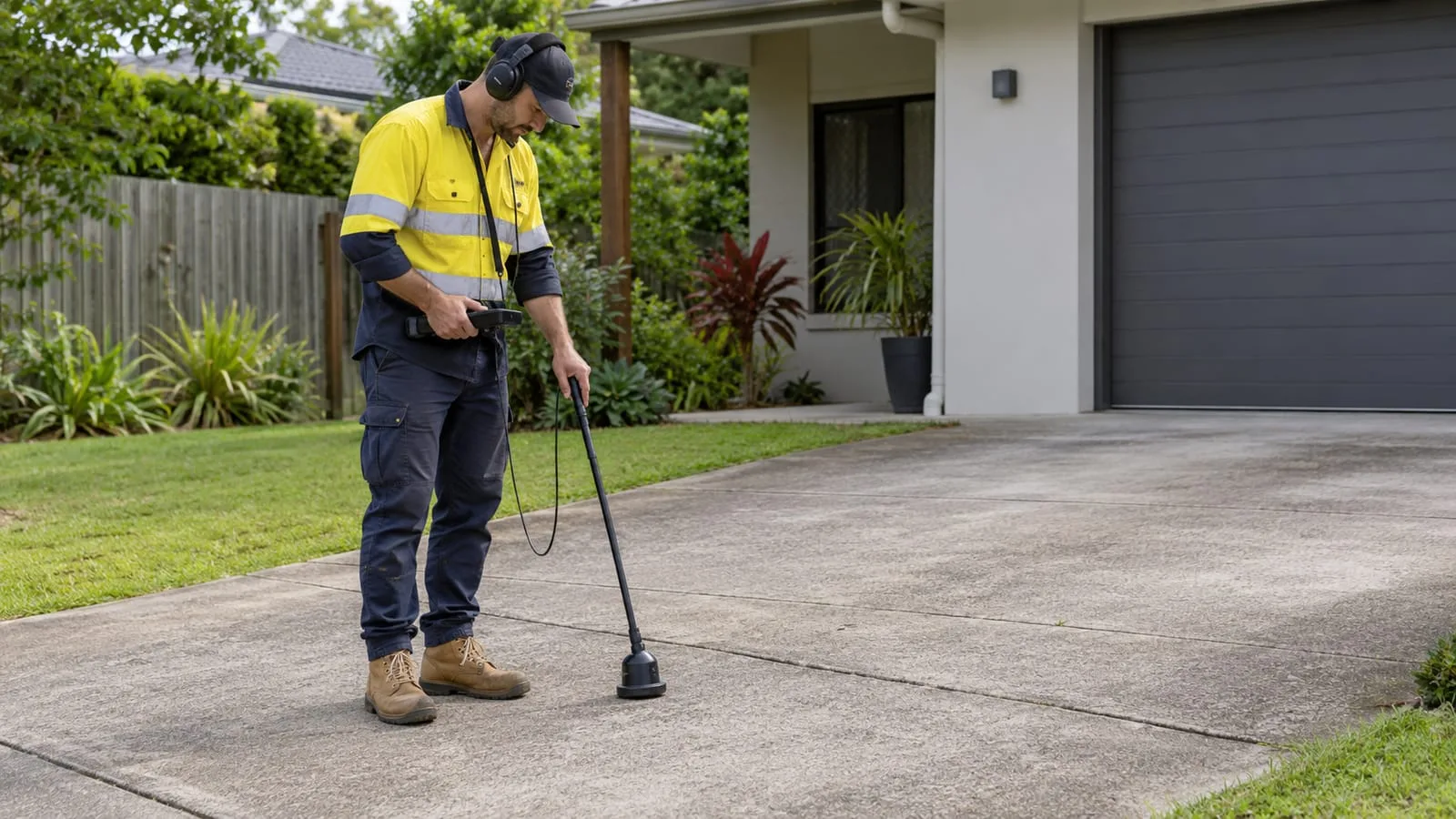
Discuss leak investigationPressurised pipes leak with a faint hiss that travels through metal and soil. Acoustic equipment lets a technician narrow down a hidden leak without digging up the whole driveway.
Switch off irrigation and avoid using water during testing so the leak sound is not drowned out.
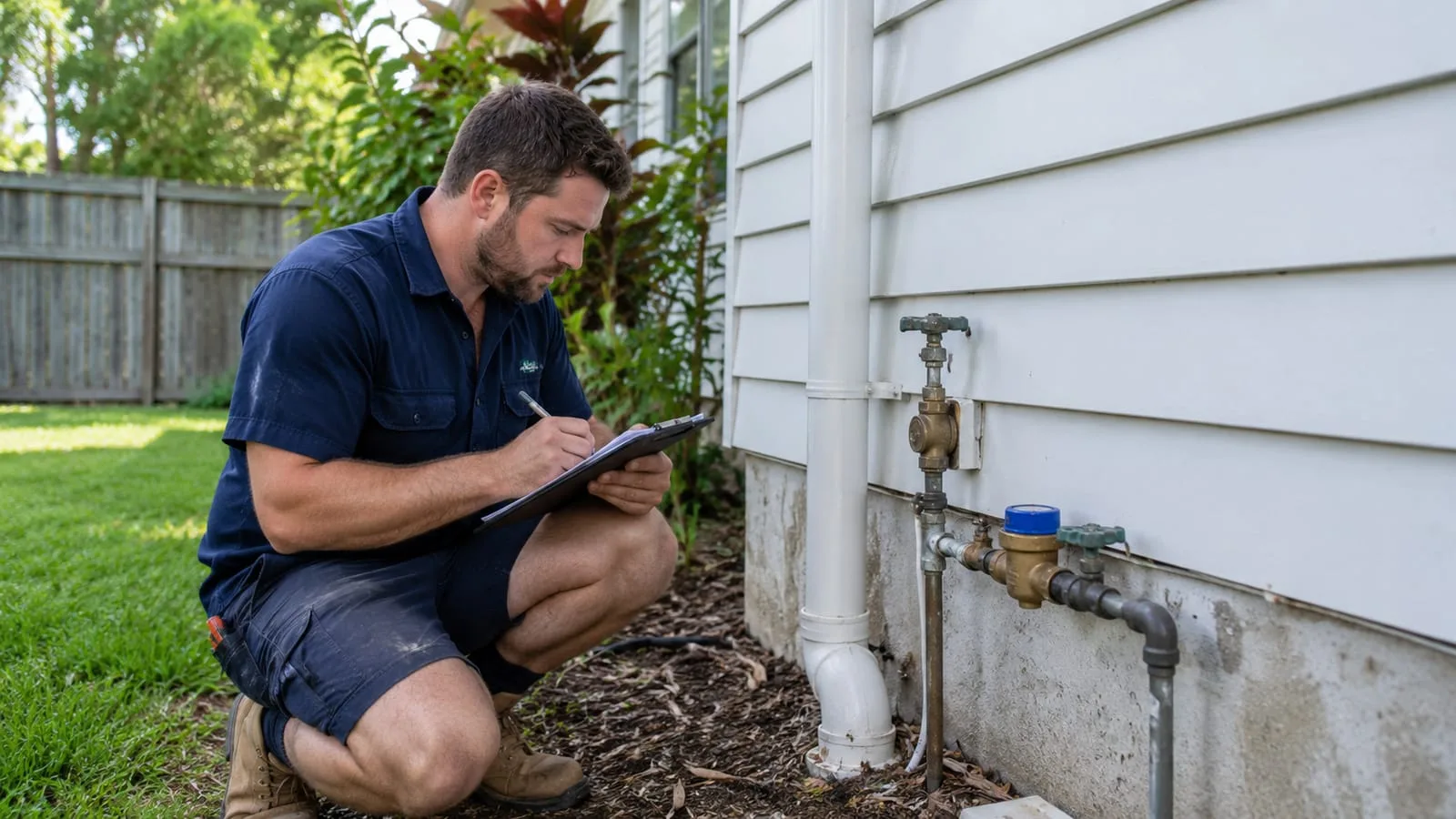
Leak noise travels along pipes, so a technician should confirm the position several ways before anyone digs.
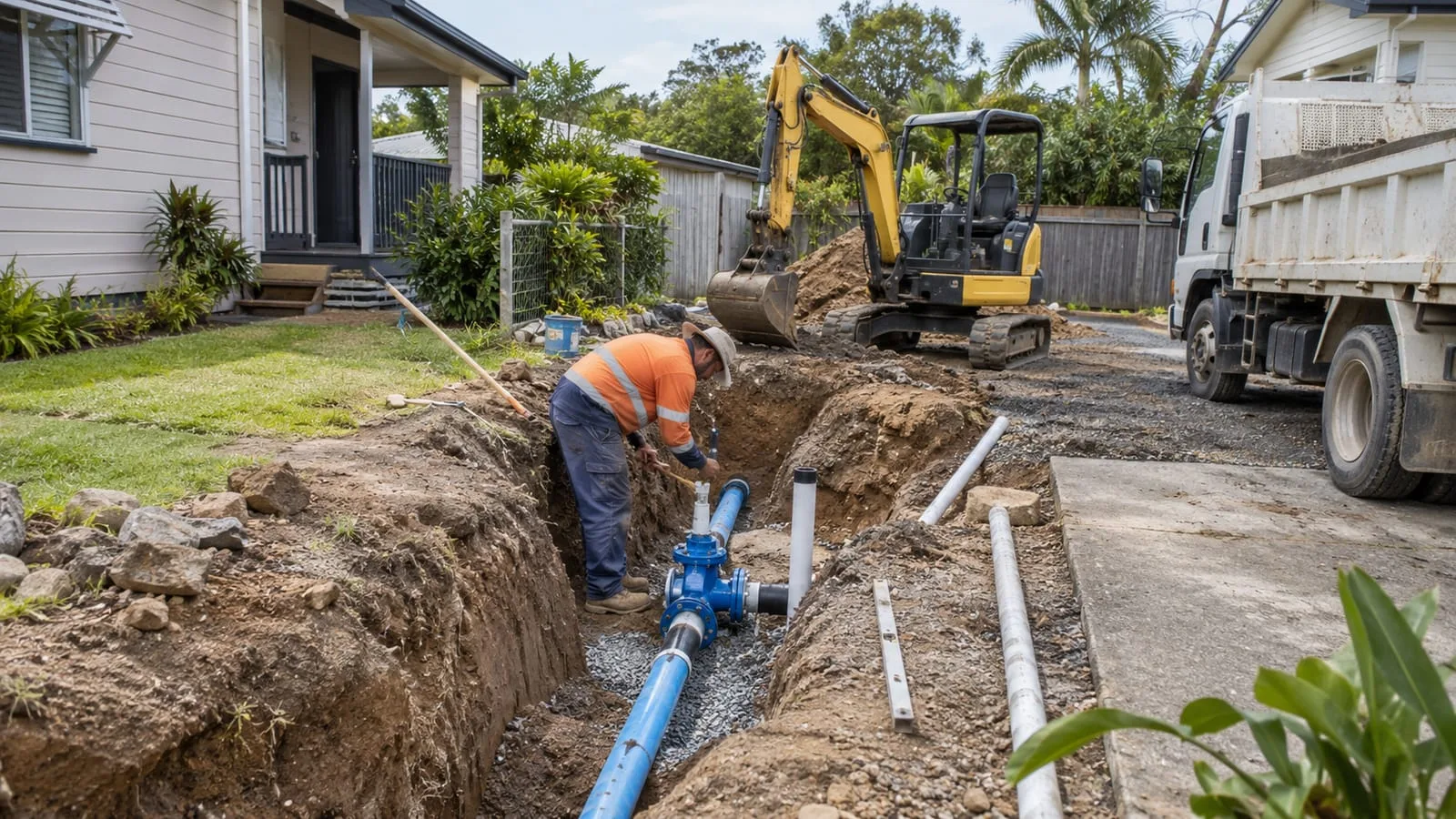
Wet patches, unusually green grass, sinking paving or sudden bill changes help narrow where to listen first.
Listening is most effective when the property is quiet, so turn off irrigation and avoid running taps while the technician works. They may test at the meter, then move along suspected pipe routes, listening for the loudest point. Results are cross-checked rather than trusted blindly, because noise can travel. Share any sightings of wet patches, green strips or sinking paving beforehand.
Stains, peeling paint and musty smells tell a story, but only if you capture them clearly. Good records help a technician separate plumbing leaks from roof, gutter or ground water problems.
| Photograph with scale | Include a ruler or coin and take repeat photos over several days to show whether the patch is growing. |
|---|---|
| Link to activity | Note whether dampness changes after rain, showers, laundry or irrigation. Timing often reveals the source. |
| Check both sides | Look at the other side of the wall, adjoining cupboards and under-house areas for matching staining or moisture. |
| Keep a log | A simple dated list of observations helps a technician avoid repeating tests and focus on likely causes. |
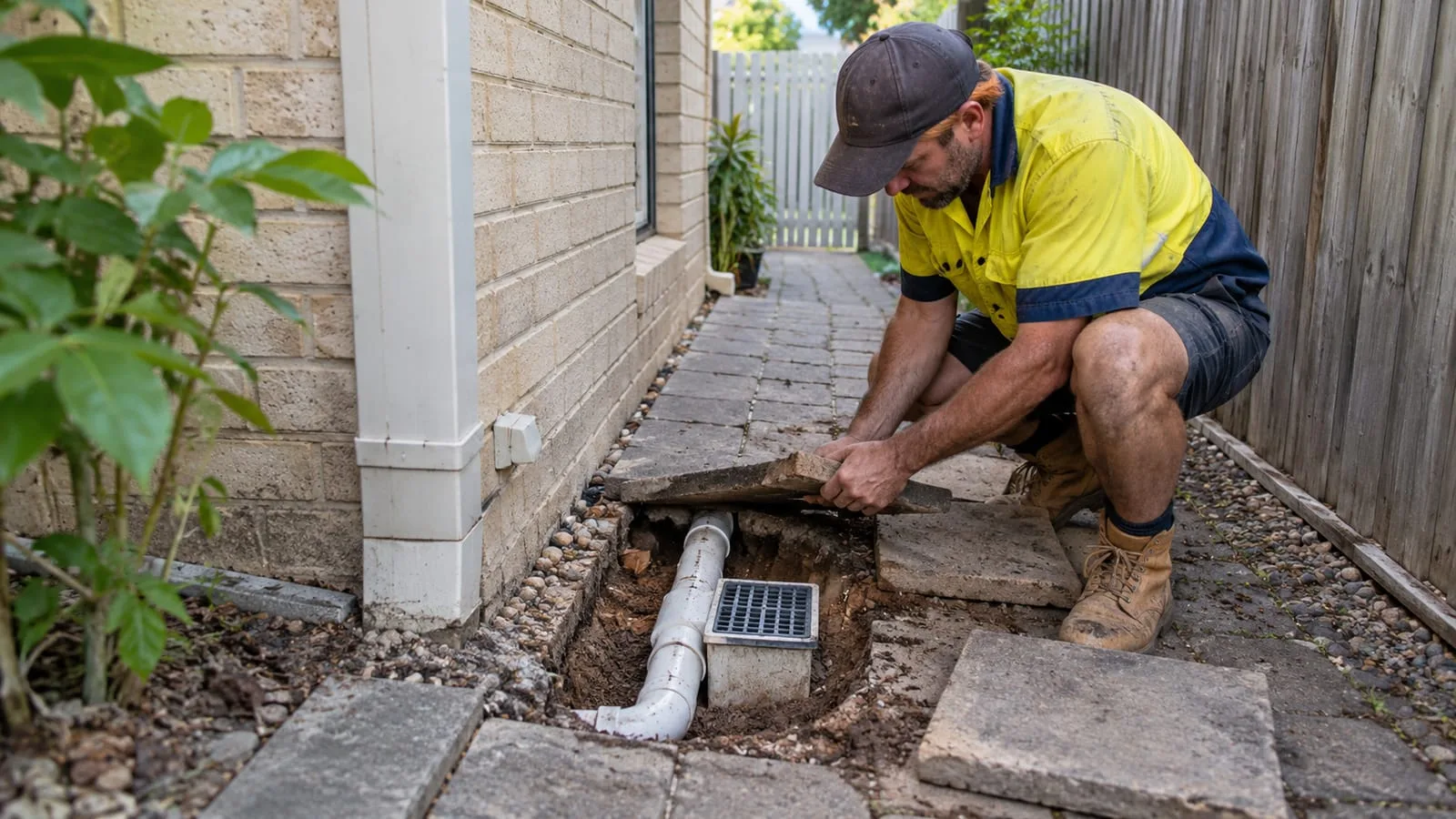
Pipes cast in slabs or laid beneath paving can leak for months before anything shows. Tracing them needs patience, and the repair plan has to weigh access against disruption.
Clues include warm patches on a floor, damp edges around tiles, a hissing sound in quiet rooms, or paving that sinks or stains. Once the position is narrowed, options may include opening a small section, rerouting the pipe or replacing a run. Ask your plumber about access, restoration and who handles making good, particularly where paving, tiles or a shared surface is involved.
Hidden leaks waste water and damage buildings long before they become visible. Our leak detection specialists locate the source quickly and accurately, so repairs are targeted, efficient and minimally disruptive.
Finding a hidden leak accurately means repairs stay small. We use listening devices, moisture meters and thermal tools to trace leaks inside walls, under slabs and beneath gardens, then explain exactly where the problem is and what caused it, so only the area that needs repair is opened up and your water bill comes back down.